Your Secret Weapon: The Unspoken Language of Interview Attire
I remember one time, a friend of mine, brilliant guy, absolutely aced the technical questions for this senior developer role. He showed up in a faded band t-shirt and jeans. Needless to say, he didn’t get the offer. It wasn’t about the t-shirt itself, but what it communicated: a lack of seriousness, a disconnect with the professional environment he was trying to join. Dressing for panel discussions and interviews is way more than just throwing on some clothes; it’s about crafting a silent, yet powerful, message. It’s about showing you understand the game, even before you speak a word.
Seriously, sometimes I’m absolutely baffled by the sheer indifference some folks show to their appearance in crucial situations. You’ve spent weeks, maybe months, preparing for this job interview or this important panel discussion. You’ve practiced your answers, researched the company, and understand the stakes. Why then, would you undermine all that effort with sloppy or inappropriate interview attire? It feels like bringing a butter knife to a sword fight. It’s a missed opportunity to signal you’re a serious contender, someone who respects the process and the people involved.
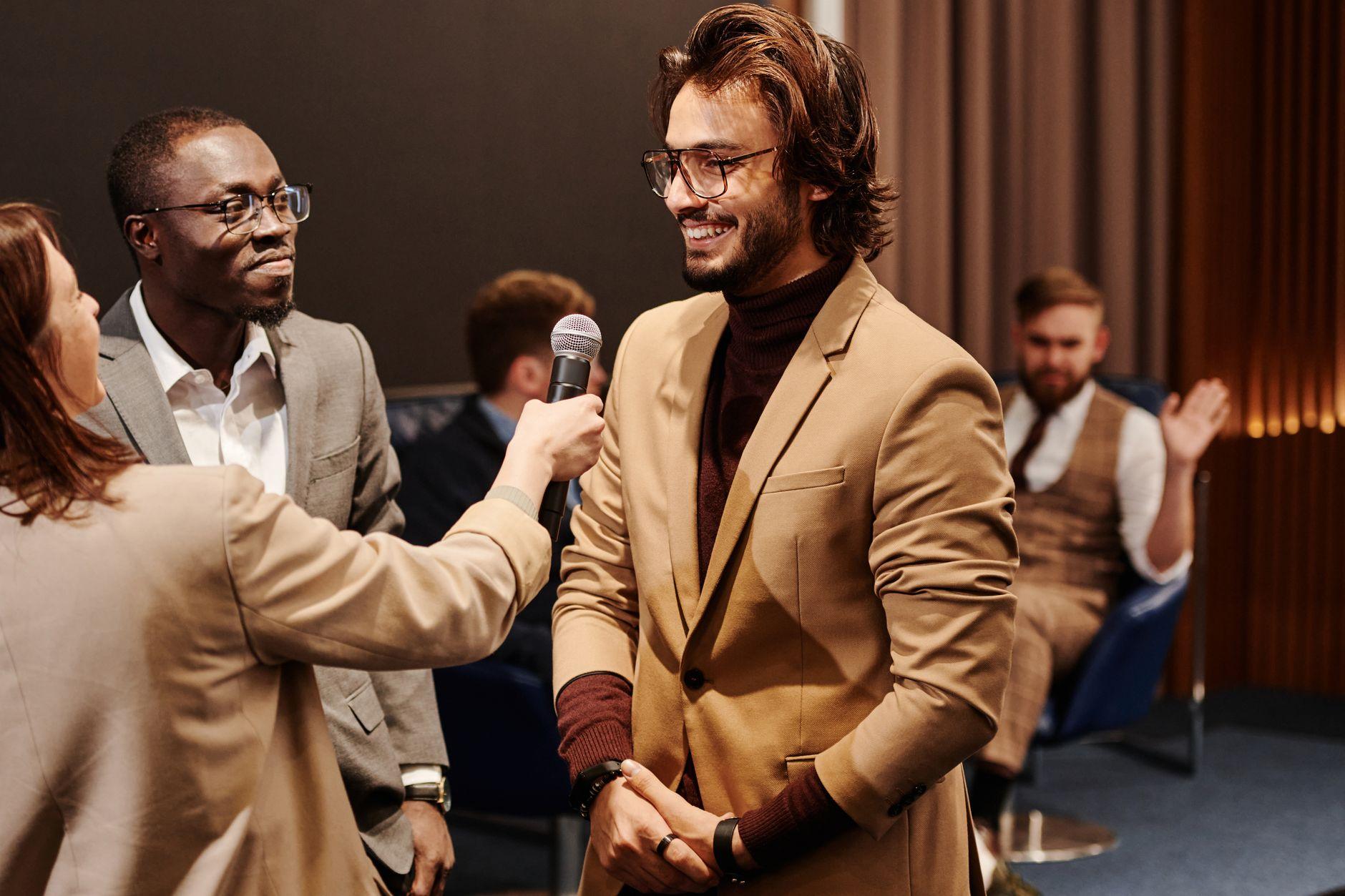
The core habit here is understanding your audience and the context. For a tech startup interview, a crisp, well-fitting button-down shirt and clean dark jeans or chinos might be perfectly acceptable. Think Google or Facebook interview culture – sharp but not stuffy. For a corporate finance role, however, you’re probably looking at a suit and tie, or a smart skirt suit for women. It’s about mirroring the general professionalism of the environment you’re walking into. You want to blend in, not stick out like a sore thumb in a bad way.
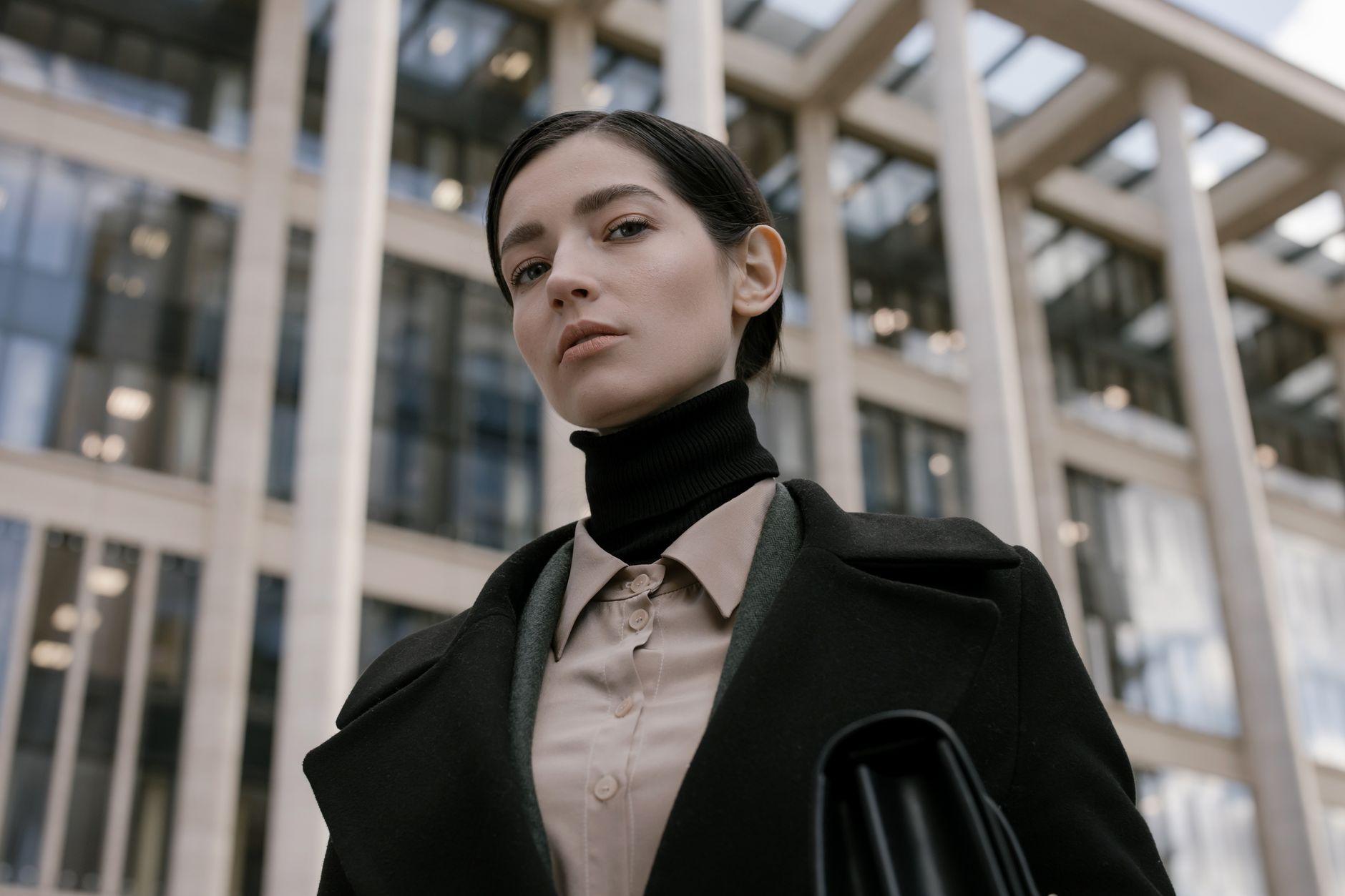
Another key habit is fit. I can’t stress this enough. A cheap suit that fits perfectly will always look better than an expensive designer suit that’s too big or too small. Spend a little time at a tailor if necessary. Properly fitting clothes make you look more put-together, more confident, and frankly, more capable. You wouldn’t wear ill-fitting shoes on a marathon, would you? The same principle applies here. It’s a detail, yes, but these small details add up to a significant impression.
This is where I get a bit frustrated. People often overlook the details. Wrinkled shirts, scuffed shoes, or distracting jewelry can completely derail an otherwise excellent presentation. It’s not about being a fashionista; it’s about demonstrating attention to detail. If you can’t be bothered to iron your shirt, will you be bothered to catch that crucial error in a spreadsheet? It’s a leap of logic, sure, but it’s one interviewers often make. Think about what those little things say about your work ethic.
And please, for the love of all that is good, ensure your clothes are clean and pressed. I’ve seen candidates with noticeable stains or major wrinkles, and it’s an instant turn-off. It suggests a lack of care, a carelessness that can be perceived as a reflection of how you might handle your work. This isn’t some niche styling advice; it’s a fundamental aspect of presenting yourself professionally. It’s as basic as showing up on time.
Now, for a dose of reality: sometimes, even with the best intentions, you might misread the room. I once coached a candidate for a very creative agency role. We opted for smart casual, thinking it hit the right note. Turns out, the company culture was extremely casual – think hoodies and sneakers as the norm. My candidate, in her smart blazer, felt palpably overdressed. This is the inherent risk in professional dressing – you’re guessing, to some extent, based on available information. You can check out company culture on sites like Glassdoor to get a feel, but it’s not always a perfect science.
Comfort is also a surprisingly important habit to cultivate. If you’re fidgeting with your collar, constantly pulling down a skirt, or feel generally restricted in your clothing, that anxiety will show. You’ll be less focused on answering questions and more focused on your discomfort. So, try on your interview outfit beforehand and move around in it. Walk, sit, maybe even do a little stretch. Make sure it feels as good as it looks. A little bit of pre-interview confidence boost from your attire is a powerful thing.
The general consensus, backed by many career experts like those at Forbes, is to err on the side of slightly more formal if you’re unsure. It’s easier to dress down slightly if needed than to recover from appearing too casual. Think of it as a professional investment in your first impression. A good outfit can boost your own confidence, helping you perform better. Many studies, though hard to quantify precisely in terms of dollar impact, suggest that positive first impressions contribute significantly to hiring decisions. It’s not just about vanity; it’s strategic.
Honestly, sometimes I think the emphasis on interview outfits can be a bit much, a distraction from the actual skills and experience someone brings. You could wear the most expensive suit in the world, but if you can’t do the job, it’s all for naught. Yet, we live in a world where visuals matter immensely. As NerdWallet often points out, preparation is key, and that includes your presentation.
Ultimately, the everyday habit behind dressing for panel discussions and interviews is a blend of research, self-awareness, and a touch of strategic guesswork. It’s about understanding that your clothes are part of your communication toolkit, a silent ambassador for your professionalism and preparedness. The real tragedy is when people are so focused on the perfect outfit, they forget to simply be themselves.