
Command Your Presence: The Power of a Structured Professional Look
I remember a time early in my career when I’d throw on whatever was clean. Didn’t matter if it was a wrinkled button-down or a slouchy sweater; I figured my work would speak for itself. Boy, was I wrong. It wasn’t until I started paying attention to how people around me dressed, especially the ones in charge, that I realized my casual approach was probably costing me. The structured silhouettes I saw on executives and confident presenters weren’t just about looking nice; they were sending a clear, unspoken message.
Wearing a well-tailored blazer or a sharp, crisp suit jacket over a simple blouse or shirt fundamentally changes how you’re perceived. It’s not just about the fabric; it’s about the lines, the sharpness, and the overall impeccable fit. Think of Steve Jobs and his signature black turtleneck and jeans. While casual, the uniformity and the clean, defined shape of the turtleneck projected a certain kind of authoritative, no-nonsense image that became instantly recognizable. That’s the essence of structured silhouettes: they create a visual framework that signals competence and control.
It’s surprising how much of an impact it can have. A client meeting is a perfect example. Walking in with a well-fitting suit jacket, even if everyone else is in business casual, can immediately shift the dynamic. You appear prepared, respectful of the occasion, and in command of the situation. It’s like you’re bringing your A-game before you even utter a word. This kind of visual cue can give you that extra boost of confidence, too, which then translates into your actual performance.
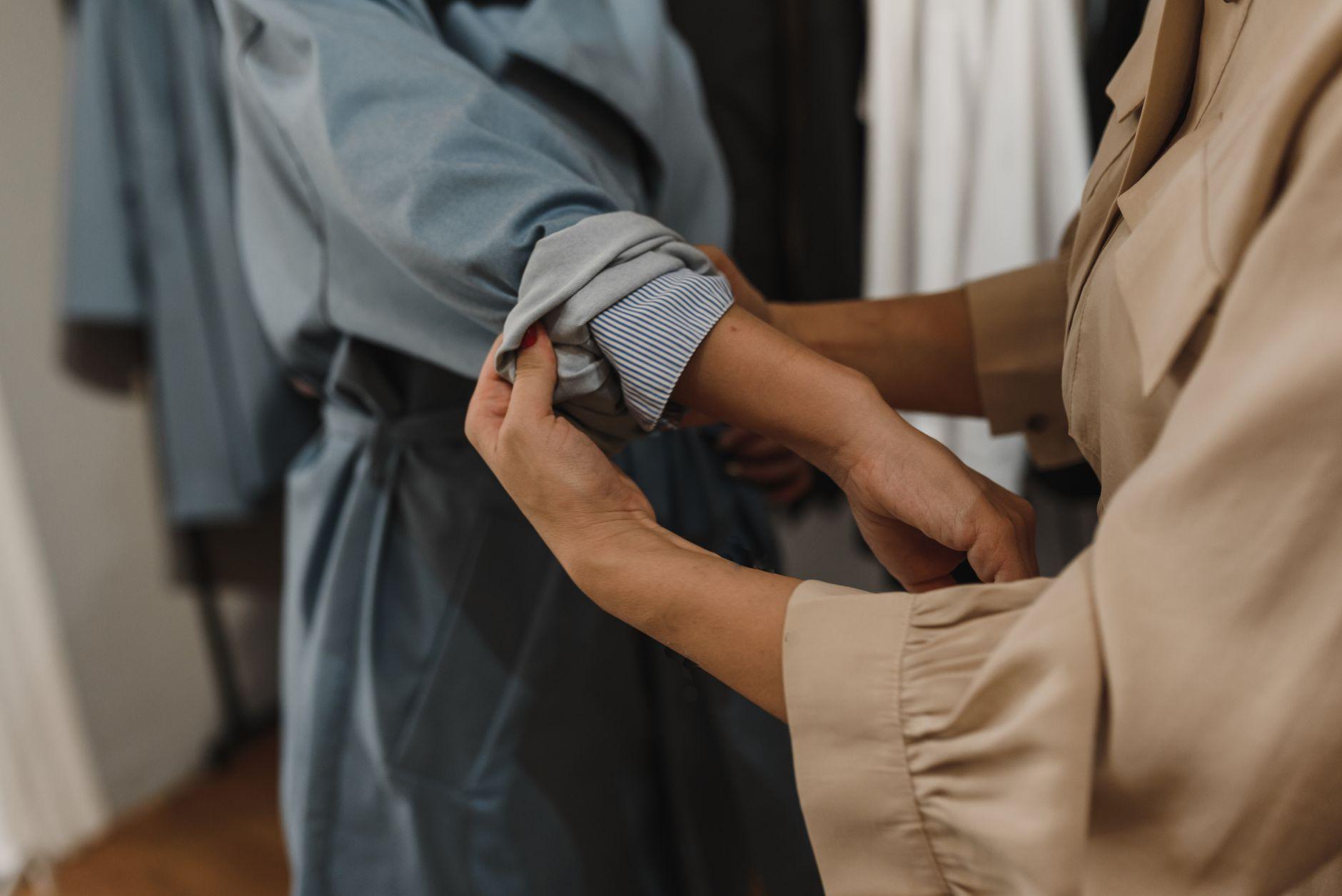
Now, this isn’t to say you need to spend a fortune or wear a suit every single day. Even a single, well-chosen piece can make a difference. A structured sheath dress or a tailored trench coat can elevate an entire outfit. I once saw a colleague nail a crucial pitch wearing a pencil skirt, a simple silk blouse, and a perfectly fitted blazer. She commanded the room, and honestly, her outfit was a big part of that initial impression. It’s about understanding how clothing lines and shape contribute to your professional image.
The downside, of course, is that it can feel like an unnecessary pressure. Sometimes, you just want to be comfortable, and the idea of always needing to present a polished, structured front can be exhausting. Plus, fashion trends change, and what’s considered authoritative one decade might look a bit dated the next. Maintaining a wardrobe that is both structured and current can be a real challenge, not to mention the financial investment involved in quality tailoring and durable fabrics. You can easily drop hundreds, even thousands, of dollars on a few key pieces.
But the real power lies in understanding the psychology behind it. Investopedia points out how visual cues significantly influence decision-making, and your attire is a primary visual cue. A structured silhouette often implies discipline and attention to detail, traits highly valued in leadership roles. When you wear something with defined shoulders and a clean, unbroken line, you’re essentially projecting an image of someone who is organized, reliable, and capable of handling complex challenges. It’s like sending a visual resume before you even hand over your actual one.
And let’s not forget about functionality. A good structured jacket often has pockets, which, let’s be honest, are incredibly useful for carrying essentials like a notebook or even your phone during presentations. It’s not just about looking good; it’s about projecting an image of someone who is prepared and ready for anything. Think of a lawyer in court. The structured suit isn’t just tradition; it visually reinforces their role as a professional advocate, someone who is serious and dedicated to their case.
My personal opinion? For important events, it’s worth the effort. Going above and beyond the standard dress code with a well-executed structured look can genuinely set you apart. I’ve seen people get promoted faster, given more responsibility, and generally treated with a higher degree of respect simply because they presented themselves as inherently more capable, and a lot of that starts with the clothes on their back. It’s a silent, yet powerful, form of personal branding.
The concept isn’t limited to men’s suits either. For women, a tailored blazer paired with well-fitting trousers or a pencil skirt, or even a structured dress with a defined waistline, can convey the same sense of authority. It’s about creating a shape that doesn’t slouch or disappear. You’re essentially building a visual argument for your own credibility. Sites like Forbes frequently discuss the impact of executive presence, and attire is consistently highlighted as a key component.
Frankly, it’s infuriating how much weight society places on appearance in professional contexts. While I champion the strategic use of structured silhouettes for projecting authority, I also acknowledge that it feels like an extra hoop to jump through, especially for individuals from marginalized groups who may already face additional scrutiny. NerdWallet has some great resources on building a professional wardrobe without breaking the bank, which can help ease some of that burden.
Ultimately, embracing structured silhouettes is about more than just fashion; it’s a strategic tool for career advancement. It’s about understanding that your visual presentation is a constant, subtle conversation you’re having with everyone you meet. You’re essentially telling a story about yourself before you even begin speaking, and sometimes, that story is far more persuasive than any carefully crafted speech. However, I’m still not convinced that a perfectly tailored blazer is inherently more indicative of intelligence than a particularly comfortable, albeit amorphous, hoodie.