
Chasing Your 20s or Cultivating Your Best Self? The Real Style Shift
I once saw a woman, probably in her late 50s, sporting a neon pink crop top with ripped denim shorts. It wasn’t that she couldn’t wear it; she clearly was wearing it. But the vibe was all wrong. It felt less like a confident choice and more like a desperate plea to rewind the clock. It made me realize that dressing younger and dressing appropriately aren’t the same thing at all. One is about denial, the other is about owning who you are right now.
Dressing appropriately isn’t about hiding your age; it’s about showcasing your maturity and confidence. Think about Michelle Obama. She’s not dressing like a college student, but she always looks incredibly chic and modern. Her style reflects her sophistication and status without trying to recapture her youth. She uses well-tailored pieces, vibrant colors that are still elegant, and classic silhouettes with a contemporary twist. That’s the sweet spot. You want your clothes to say, “I’ve lived, I’ve learned, and I look damn good doing it.”
Trying to dress younger often leads to some truly awkward fashion choices. I’m talking about baggy jeans that swallow you whole, graphic tees with cartoon characters on them when you’re pushing 40 or 50, or the ubiquitous super-short skirts that might have been cute in your early twenties but now just… aren’t. It’s like someone raided a teenager’s closet and decided it was a universal uniform. A big downside to this approach is that it can actually make you look older because it highlights what you’re trying to hide, rather than celebrating your current self. It draws attention to the very things you’d rather the world overlook.
When I look at someone like Jane Fonda, who’s well into her 80s, she’s a masterclass in age-appropriate style. She often opts for sleek, monochromatic outfits or bold, jewel-toned dresses that flatter her figure and exude grace. She’s not afraid of a statement necklace or a well-placed leather jacket, but it’s always in proportion to her. She embraces her silver hair and complements it with her fashion choices. It’s about elevating your existing features, not trying to erase them. You’ll often see her in designer pieces that cost upwards of $1,000 or more, but the principle applies even on a tighter budget; it’s about the quality and the cut.
Honestly, it can be frustrating to see people struggle with this. I’ve had friends in their late 30s who swear they can’t wear anything brighter than beige because they feel “too old.” That’s just ridiculous! Color isn’t age-restricted. A vibrant cobalt blue sweater or a rich emerald green dress can be incredibly flattering on anyone, regardless of their birthday. It’s the style of the garment that matters more. A modern, well-fitting blazer in a bright color will always look more appropriate than a faded, ill-fitting denim jacket from a decade ago, no matter your age.
The real trick is to understand current fashion trends and then adapt them to your personal style and body. You don’t need to wear low-rise jeans to be trendy. Instead, opt for high-waisted, wide-leg trousers, which are very much in style right now and offer a much more flattering silhouette for most body types. Think about the rise of midi skirts – a perfect example of a trend that’s chic and age-versatile. You can find them for as little as $50 at places like Nordstrom or for hundreds at designer boutiques. It’s about choosing the right cut and fabric. A structured dress that hits just below the knee, paired with stylish loafers or block heels, can look incredibly modern and polished.
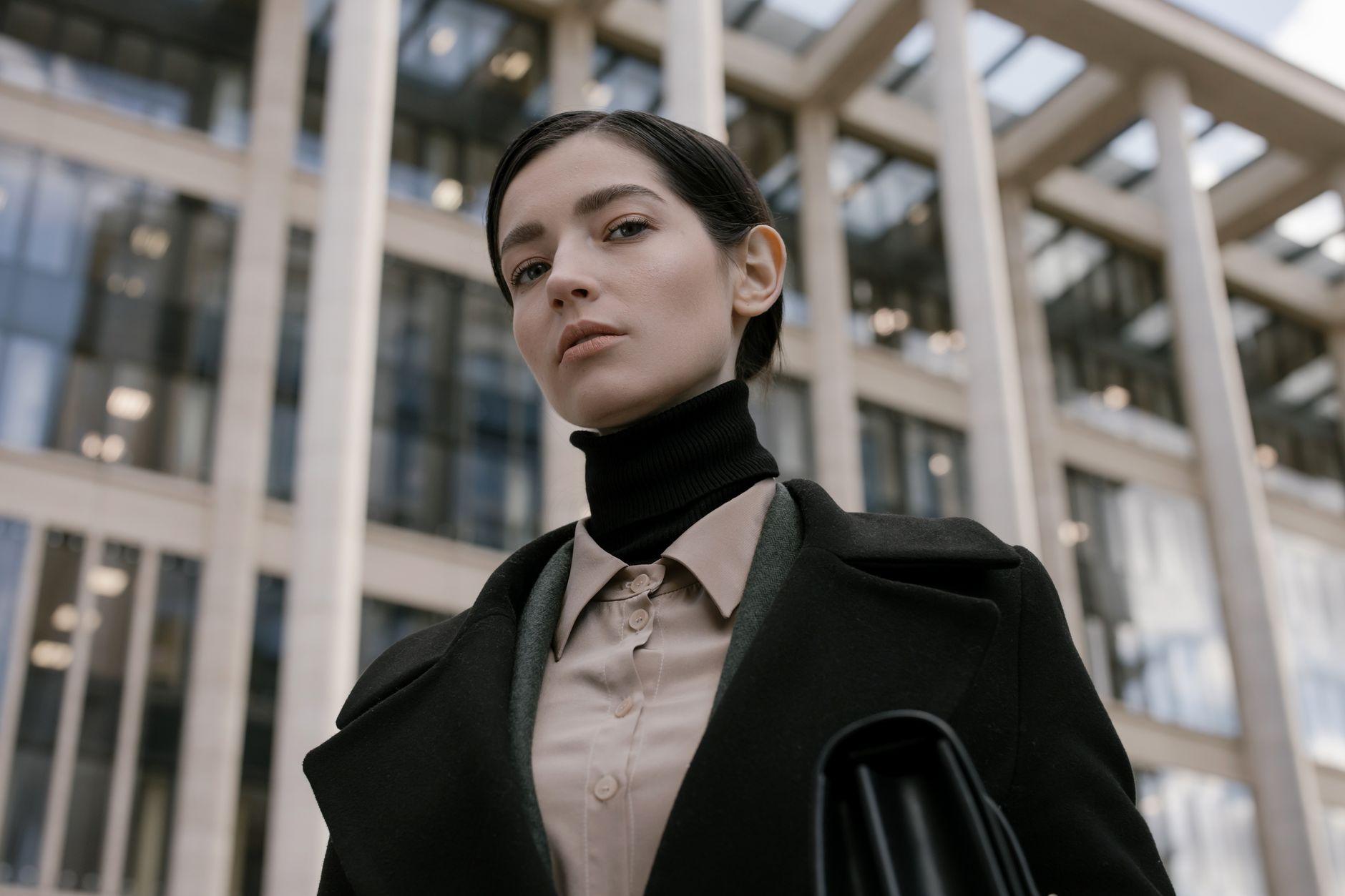
It’s astonishing how many people confuse “classic” with “dated.” A little black dress is classic. A floral maxi dress from the early 2000s that’s a bit too billowy? Probably dated. The key is to invest in quality staples. A great pair of black trousers, a crisp white button-down shirt, a well-cut blazer, and a versatile trench coat are foundational. You can then pepper in trendier pieces like a statement handbag or a fashionable scarf to keep your look current without overhauling your entire wardrobe every season. Think about the cost-per-wear; a $300 pair of boots that last you five years are a better investment than $75 boots that fall apart after one season. According to NerdWallet, understanding the true cost of clothing is a smart financial move.
Ultimately, dressing appropriately means feeling good in your skin and in your clothes. It’s about projecting confidence and self-awareness. When you’re comfortable with your age, you don’t need to pretend you’re someone else. You can embrace the wisdom, the experience, and yes, even the style that comes with it. Wearing clothes that fit well, are in good condition, and align with your personal aesthetic is far more impactful than trying to mimic the style of someone twenty years younger. This approach has been championed by many style experts, including those featured in Forbes’ articles on mature fashion.
So, the next time you’re getting dressed, ask yourself: Am I trying to look younger, or am I trying to look like the best version of myself today? Because one of those paths leads to looking like you’re desperately trying to escape your present, while the other helps you own it. But honestly, who even cares what anyone else thinks?