
From Coffee Runs to Boardrooms: Your Jewel Box’s Dress Code
I remember agonizing over what earrings to wear to my first big client meeting. I’d spent the morning grabbing a much-needed iced latte from the corner shop, my usual delicate silver studs feeling a bit too… well, me. It’s funny how jewelry choices have to perform a full costume change when you go from a casual business vibe to something more formal. It’s not just about looking good; it’s about signaling respect and professionalism.
When you’re just heading to a team huddle or a quick lunch meeting, you can totally get away with more personality in your accessories. Think chunky necklaces, a stack of colorful bracelets, or even a fun pair of statement earrings with a bit of sparkle. My friend Sarah swears by her beaded bracelet collection – she’s got about five or six she rotates, and they always get compliments. It says, “I’m creative, I’m approachable, and I don’t take myself too seriously.” This kind of casual jewelry can really help break the ice and make you seem more relatable, especially in industries that are a little less buttoned-up.
But then there’s the formal business setting. Suddenly, those statement pieces feel a little… loud. You’re aiming for understated elegance, a quiet confidence that whispers, “I’ve got this.” This is where your classic pieces shine. We’re talking about fine gold chains, pearl necklaces (real or good quality faux ones), and simple diamond studs or small hoops. The goal is polish and professionalism, not drawing attention away from your ideas. I personally find that a single strand of pearls can elevate any outfit, making me feel instantly more put-together for those high-stakes presentations.
The real kicker, though, is that overtly trendy jewelry can be a minefield in both settings. A super chunky chain might fly in a creative agency, but it could land with a thud in a law firm. And while delicate jewelry is generally safe, if it looks too much like something you’d wear to a music festival, it might send the wrong message. It’s a delicate balance, and frankly, it’s exhausting sometimes. The limitation here is that you almost need two separate wardrobes of jewelry – one for your everyday grind and one for those rarer, more formal days. It’s an added expense and complexity that most people don’t even think about.
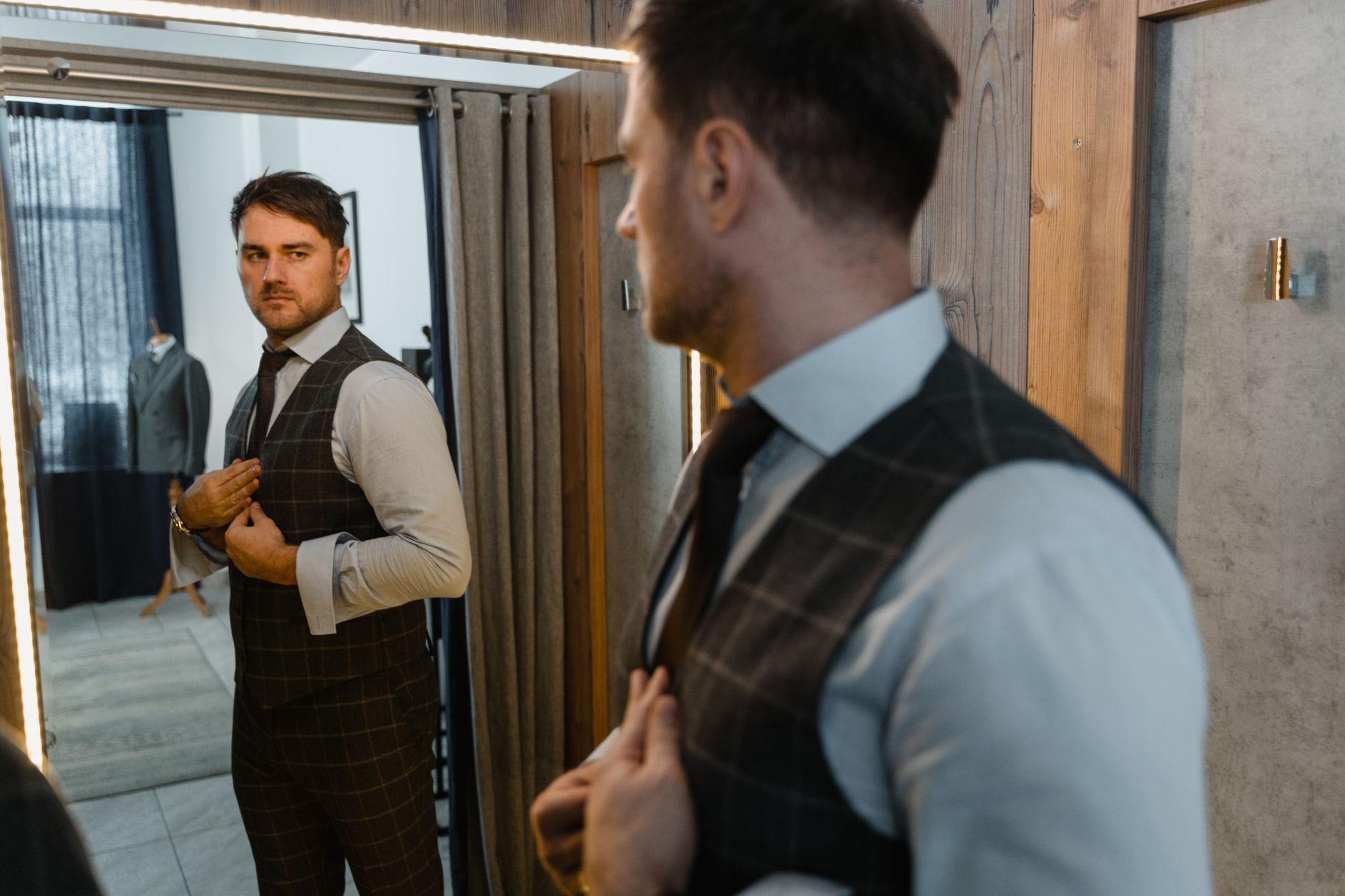
For those truly formal business environments, like a legal setting or corporate finance, you’re really looking at pieces that convey authority and seriousness. Think a watch with a leather strap or a metal band – a classic timepiece from a reputable brand (even a good mid-range one like a Seiko or Citizen) speaks volumes without saying a word. You might also opt for a single, elegant ring or a sophisticated pendant necklace that sits just so. It’s less about making a fashion statement and more about projecting an image of stability and trustworthiness. According to Forbes, professional attire, including your jewelry, plays a significant role in first impressions and can impact perceptions of your competence.
The tricky part is knowing when to dial it back. Even a small pair of dangling earrings can feel too much if your outfit is already quite detailed or if the meeting is particularly serious. It’s about ensuring your jewelry complements, rather than competes with, your overall look and the context of the situation. My go-to strategy for business casual is often just a simple silver chain with a small, meaningful pendant, and maybe a stack of two thin bangles. It’s enough to add a touch of interest without being distracting.
Honestly, I’ve seen people completely bomb an interview because their jewelry was just… off. Too much bling for a conservative industry, or too casual for a high-level executive meeting. It’s a subtle thing, but it matters. This is where a bit of research into the company culture can be a lifesaver. A quick peek at their LinkedIn profiles or website can give you clues about the general dress code. For instance, a tech startup will likely have a much more relaxed approach to jewelry than a traditional banking institution.
Ultimately, the best jewelry for any business setting is the kind that makes you feel confident and comfortable, but it’s crucial to consider the audience. A Tiffany & Co. bracelet might be perfect for impressing a client at a fancy dinner, but it’s probably overkill for a virtual team meeting where only your face is visible. So, before you strap on that bling, pause for a second and ask yourself: what message am I trying to send? And will this sparkle help or hinder that message?