
Ditching the Stale Suit: Why Your Networking Look Needs a Reboot
That stale suit you wear to the office every day? Yeah, it’s probably not going to cut it at a networking event. I learned that the hard way a few years back. I showed up to a tech conference mixer in my usual button-down and slacks, feeling all professional. Turns out, I was practically a ghost compared to the guys rocking stylish blazers, open-neck shirts, and even some cool, dark-wash jeans. It was a real “oops” moment, and I instantly felt out of place, like I’d walked into a party wearing my pajamas. The key difference is that office wear is often about blending in and projecting a uniform sense of corporate seriousness, while networking attire is about standing out, showing your personality, and making a memorable first impression. You’re not just showing up to work; you’re marketing yourself.
Honestly, the pressure to look “right” at these events can be intense, and frankly, a little ridiculous. I’ve seen people spend hundreds of dollars on outfits specifically for one event. It’s not just about being neat; it’s about signaling approachability and competence simultaneously. Think about it: you want to look professional, sure, but you also want to look like someone people want to talk to, someone who’s confident and engaging. A perfectly tailored blazer, even if it’s a bit more casual than your typical suit jacket, can instantly elevate a simple shirt and pants. Jeans are often a gray area, but a well-fitting, dark-wash, no-distress pair can be surprisingly effective in creative or tech fields. Just make sure they don’t look like you slept in them.
My own biggest networking fashion faux pas was probably a pair of ill-fitting khakis that looked more like clown pants. I was so focused on being “business casual” that I completely missed the mark on “stylish and approachable.” It was a wake-up call. Now, I tend to lean towards darker colors – navy, charcoal, deep forest green. They’re generally more forgiving and look more sophisticated than, say, a bright pastel shirt unless you really know what you’re doing. A good quality, well-fitting dress shirt or a nice polo shirt can be a solid base. The real magic happens in the accessories and the shoes. Forget those scuffed-up loafers; think sleek leather boots or stylish loafers that actually look like they’ve been cared for.
The biggest criticism I have of this whole networking attire dance is how much it can distract from actual substance. You can be the most brilliant person in the room, but if your shirt is wrinkled or your shoes are falling apart, some people will unfortunately make snap judgments. It’s a shallow metric, but it’s the reality of how first impressions work. Think about the old adage, “dress for the job you want, not the job you have” – it applies tenfold to networking. You’re essentially auditioning for future opportunities. A recent study from Harvard Business Review even touched on how clothing can influence perceptions of competence and trustworthiness.
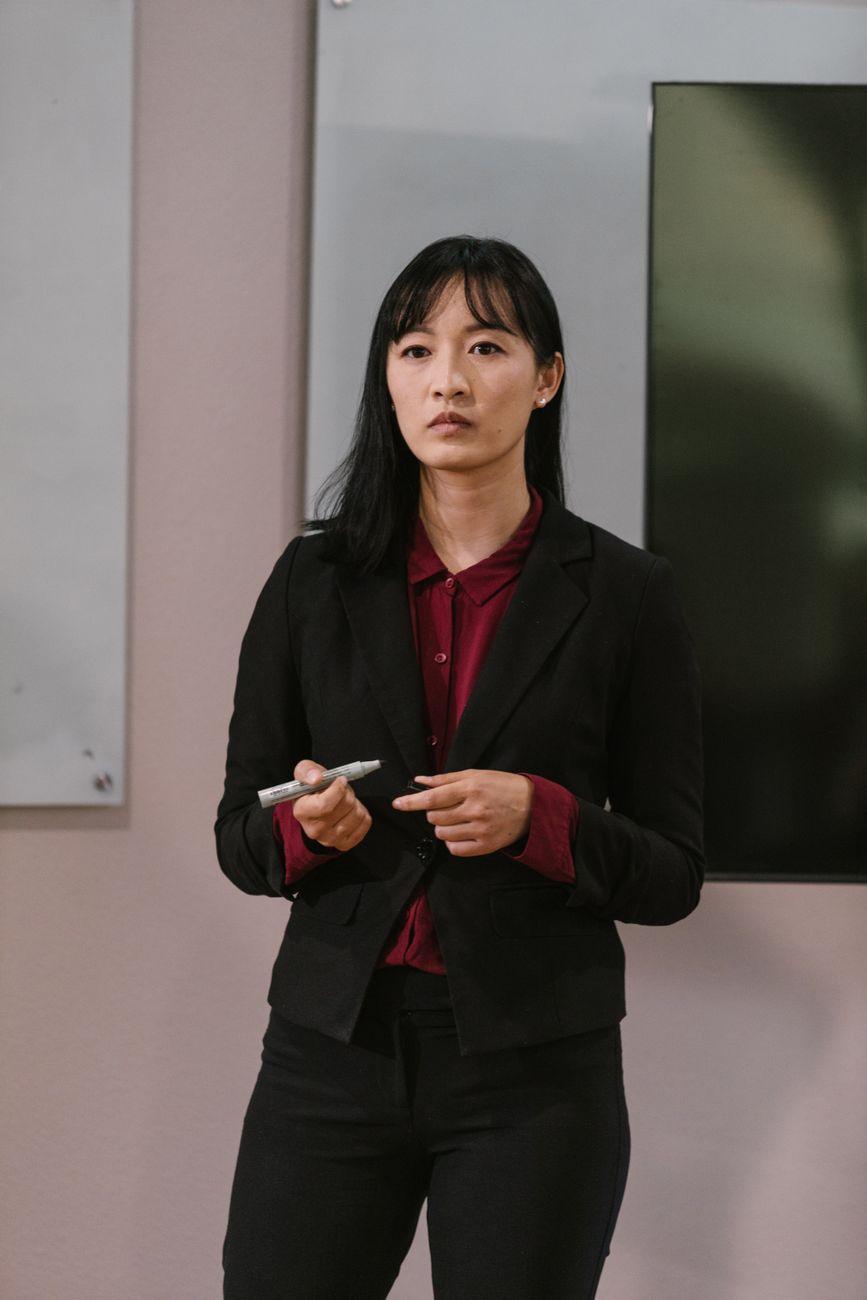
For men, a sport coat or blazer is almost always a safe bet. It adds a layer of polish without the stiffness of a full suit. Pair it with chinos or dark jeans and a button-down or a nicely knit sweater. For women, the options are broader, which can be both a blessing and a curse. A stylish blouse with well-fitting trousers or a sophisticated skirt is classic. A sheath dress is also a great option. The key is avoiding anything too casual (like a t-shirt with a graphic on it) or too formal (like a sequined evening gown unless it’s a very specific type of event). Think smart casual with a touch of personality. The goal is to look put-together and approachable, not like you’re heading to a job interview for a banking position or a night out clubbing.
I was at a creative industry event recently, and one woman had on a sharp, well-tailored pantsuit in a bold color like emerald green. It was fantastic! It showed confidence and style without being over-the-top. It was a strong visual statement that made her memorable. Another person I saw had a fantastic collection of enamel pins on their lapel, each telling a little story about their hobbies and passions. That’s the kind of subtle personal branding that really works. It gives people an easy talking point. It’s like this subtle art of saying, “Here I am, I’m competent, and I’m also interesting.” You can get a lot of ideas for outfit inspiration by looking at professional fashion blogs like Who What Wear or even just observing people at events.
One thing that always surprises me is how many people still don’t grasp the concept of “business professional” versus “business casual” versus “smart casual” for networking. It’s not just about a suit versus no suit. A suit can sometimes look too formal and unapproachable at a casual tech meetup, for instance. You want to gauge the vibe of the event. If it’s a formal gala, absolutely rock the suit. But for most industry mixers, conferences, or even casual meetups, you’re aiming for a step above your daily office attire, but not necessarily a full suit of armor. A good rule of thumb is to check the event’s website or social media for any dress code hints. Many professional organizations like SHRM offer advice on workplace attire, which can be a good starting point for networking.
Ultimately, the best networking attire is what makes you feel confident and allows you to focus on making connections, not on whether your fly is down. It’s about being memorable for the right reasons. Trying too hard can backfire just as badly as showing up in stained sweatpants. So, next time you’re heading out to schmooze, remember that your outfit is your silent ambassador, and sometimes, a well-chosen scarf or a killer pair of shoes can do more networking than you can.