Your Suitcase, Your Statement: How What You Wear Still Nails That Crucial First Business Impression
I remember my first big job interview after college. I was so nervous, I nearly wore my lucky, but very casual, band t-shirt. Thankfully, my older sister smacked some sense into me. She made me dig out the one decent blazer I owned and a pair of slacks that, while a little tight, weren’t ripped. Walking into that office, I felt a shift. It wasn’t just about the clothes; it was about projecting a level of seriousness I hadn’t felt before. And guess what? I got the job.
It still boggles my mind how much visual cues matter in the business world. We like to think we’re all about substance, but research consistently shows that first impressions, often formed in mere seconds, are heavily influenced by what you wear. This isn’t just about looking fancy; it’s about communicating your professionalism, your attention to detail, and your respect for the situation. Think about it: would you trust a surgeon in ripped jeans and a stained t-shirt to perform a complex operation? Probably not. The same principle applies in boardrooms and client meetings.
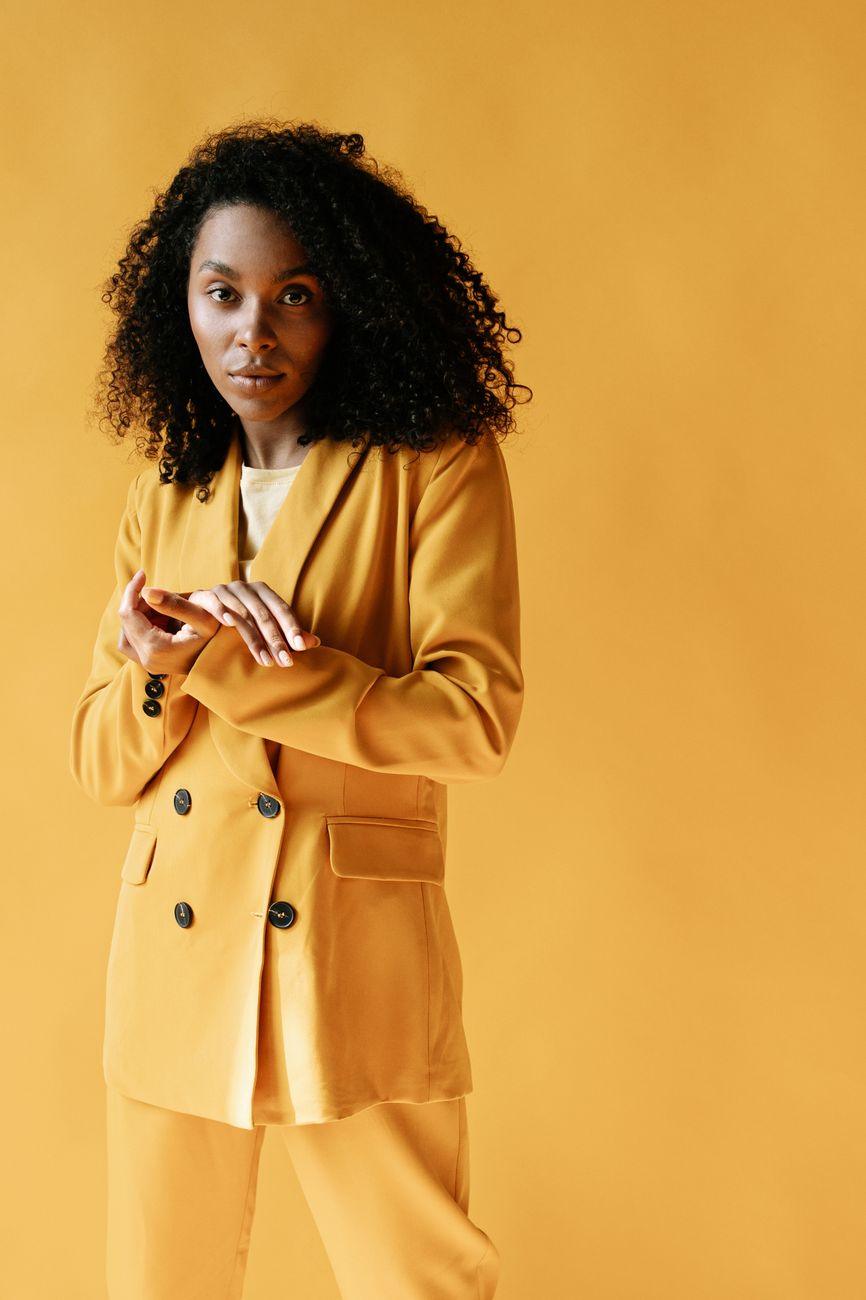
For instance, a study published by the National Bureau of Economic Research found that men wearing suits were perceived as more competent and earned higher salaries. It’s not just men, either. When women dress in sharply tailored suits or professional attire, they’re often perceived as more authoritative and capable. This is often referred to as “power dressing,” and its core idea is that your clothing can actually influence how others perceive your status and ability.
Now, not everyone has the budget for a closet full of designer suits. I certainly didn’t starting out. My entire “professional wardrobe” for the first few years probably cost less than one thousand dollars. But even with a limited budget, you can make smart choices. Focusing on well-fitting basics in neutral colors – think a classic black blazer, a crisp white shirt, and well-maintained trousers or a pencil skirt – goes a long way. A polished appearance signals that you take yourself and your work seriously.
The biggest criticism I hear about power dressing is that it can be exclusionary and reinforce outdated stereotypes. And honestly, I get it. It feels a bit unfair that we might be judged on something as superficial as our clothes. For a while there, especially with the rise of tech culture, it felt like dressing down was the ultimate sign of genius. But then you see executives from major corporations, like Tim Cook at Apple or Satya Nadella at Microsoft, consistently opting for smart casual or more formal attire at key events, and you realize there’s still a significant advantage to presenting a polished image. This approach isn’t just about conforming; it’s about strategic communication.
What frustrates me is when people dismiss the importance of appearance entirely. They’ll say, “It’s what’s inside that counts!” Sure, but people have to get past the outside to see what’s inside. I once saw a candidate for a senior marketing role show up in a faded polo shirt and cargo shorts for a final interview with the CEO. He was incredibly talented, no doubt, but he didn’t get the offer. The hiring manager later admitted they were concerned about his ability to represent the brand to high-profile clients. It’s a tough pill to swallow, but often, your attire speaks before you do.
Investing in quality over quantity is key. A single, well-made blazer that fits perfectly will serve you better than three cheap, ill-fitting ones. Looking at places like Investopedia’s guide to personal finance, you can find tips on smart shopping. Furthermore, grooming plays a massive role. Cleanliness, neat hair, and well-kept nails are non-negotiable. It’s all part of the overall package you present.
The downside, of course, is the potential for bias. People might make assumptions about your socioeconomic status or background based on your clothing, which isn’t fair. But until the world is entirely free of unconscious bias, which I highly doubt we’ll see in the next decade or two, presenting your most professional self through your attire is a wise strategy. It’s about leveling the playing field as much as possible.
Ultimately, power dressing is less about following strict fashion rules and more about understanding the psychology of appearance. It’s about making a conscious choice to project confidence, competence, and professionalism. When you walk into a room dressed for success, you not only feel more self-assured, but others are more likely to perceive you that way too. This isn’t a new concept; even historical figures understood the power of regalia and appropriate dress to convey authority, a practice visible across many cultures and documented by sources like Wikipedia’s entry on sumptuary laws.
So, while comfort and personal style are important, in high-stakes business situations, sometimes the most powerful statement you can make is the one your outfit makes for you. The truly shocking part? You can probably get away with wearing the exact same thing twice in a week without anyone noticing, as long as it’s pressed.