Your Screen Persona: Dressing for Success When You’re Not There
Honestly, I used to think what I wore on video calls was completely irrelevant. I mean, it’s just a screen, right? I could be rocking pajama bottoms with a fancy blouse, and nobody would ever know. That was my brilliant logic until I realized how much people do actually notice, even if they don’t say it out loud. It turns out, your video call wardrobe is way more impactful than you might assume, shaping perceptions before you even open your mouth. It’s like a silent elevator pitch, and you don’t want it to be saying the wrong things.
I remember a client meeting where I was feeling particularly smug, sporting an old, comfy t-shirt under a blazer. My presentation went well, but afterward, the client’s feedback was lukewarm. They mentioned feeling a slight disconnect, as if I wasn’t fully invested. Later, I saw a picture of their team on their website – all sharp suits and professional attire. It hit me then: my casual choice might have subconsciously signaled a lack of seriousness to them, impacting how they perceived my professionalism and the value of my service. It’s a tough pill to swallow when you’re just trying to be comfortable.
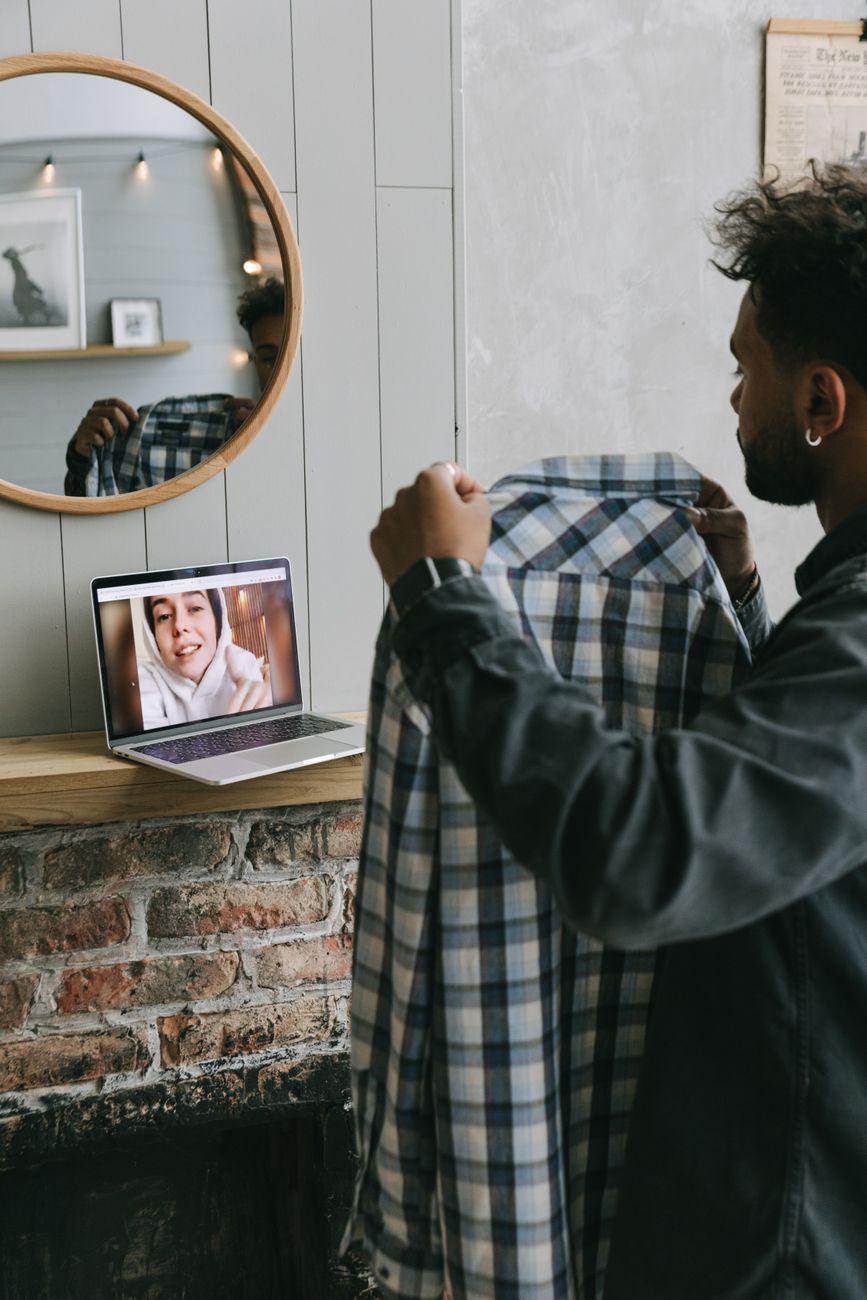
The reality is, our brains are wired to make quick judgments based on visual cues. Even if you’re just talking to your boss or a potential client on Zoom, your appearance sends signals. Think about it: would you take financial advice from someone dressed in a stained hoodie? Probably not. The same principle applies, albeit on a subtler level, to video conferencing. A well-chosen outfit can immediately convey competence, credibility, and attention to detail. It’s not about being overly flashy; it’s about presenting yourself in a way that aligns with the message you want to send. For example, a simple, solid-colored blouse or a button-down shirt often looks much more polished than a busy pattern that can be distracting on screen.
You’ve probably heard the advice to dress as if you’re going to a physical meeting. While that might be a bit much for a casual team check-in, it’s good to aim for a level of preparedness. This means ditching the sweatpants and opting for something that looks intentionally put-together from the waist up. Consider the colors you wear, too. Bright, vibrant colors can sometimes be overwhelming on camera, while muted, professional tones like blues, grays, and neutrals tend to be more flattering and less distracting. I’ve found that a simple dark blue V-neck sweater has become my go-to; it’s comfortable, looks sharp, and doesn’t clash with backgrounds.
The biggest downside, and it’s a real one, is that focusing too much on video call attire can feel like a superficial distraction from the actual work. Why spend time agonizing over a collar shape when you have deadlines looming? This concern is valid. The danger is letting fashion choices overshadow substance. However, I believe it’s a necessary consideration because the visual aspect is part of the communication. It’s not about vanity; it’s about effective communication. It’s about recognizing that in a remote work environment, your visual presence plays a crucial role in how others interpret your competence. It’s a subtle but significant aspect of professional branding.
Think about job interviews conducted over video. A Forbes article highlighted that even in a virtual setting, interviewers are still forming impressions, and what you wear is a significant factor in that initial assessment. Dressing professionally, even if it’s just a nice shirt and well-maintained hair, signals that you take the opportunity seriously. Conversely, a sloppy appearance can quickly lead to a negative first impression that’s hard to overcome. I’ve seen people get passed over for opportunities, and I suspect their digital presentation played a part, even if it wasn’t the stated reason.
Another crucial element is your background. While not strictly wardrobe, it’s part of your visual real estate. A cluttered, messy background can be as distracting as a stained shirt. Opt for a clean, uncluttered space. If your home environment isn’t ideal, consider using a professional-looking virtual background. However, be mindful that some virtual backgrounds can look a bit artificial or glitchy, which can also detract from your professional image. According to NerdWallet, investing in good lighting is also paramount, making even a simple outfit look more polished.
What truly surprised me was how much subtle details matter. For instance, the neckline of your shirt can affect how your camera angle appears. A deep V-neck might look fine in person but can be too revealing on camera. Similarly, jewelry can catch the light and be distracting. It’s about finding that balance between expressing your personal style and maintaining a professional appearance. The goal isn’t to erase your personality, but to ensure your outfit supports, rather than hinders, your professional goals. It’s a constant negotiation, and honestly, sometimes it’s exhausting.
Ultimately, the impact of your video call wardrobe goes beyond just looking good. It’s about building trust, projecting confidence, and ensuring your message is received as intended. It’s about understanding that in the digital age, your visual presentation is a critical component of your overall professional strategy. It’s less about conforming to some arbitrary dress code and more about making conscious choices that enhance your credibility and help you achieve your objectives in an increasingly screen-based world. I sometimes wonder if we’ll eventually evolve to transmit our thoughts directly, bypassing the need for such tiresome visual charades entirely.