The Illusion of Abundance: Why a Few Power Players Beat a Closet Full of One-Hit Wonders
I used to think having a massive wardrobe meant I had endless outfit options. I’d spend hours staring, overwhelmed, surrounded by clothes I barely wore. It was a classic case of quantity over quality, and honestly, it was exhausting. The truth is, owning dozens of outfits you only wear once or twice is way less effective than having a smaller collection of versatile pieces that can be mixed and matched endlessly. Think of it like a good toolbox; a few high-quality, multi-purpose tools will get the job done far better than a hundred cheap, single-use gadgets.
My breaking point came when I realized I was spending more time thinking about what to wear than actually wearing it. I’d look at my closet overflowing with trendy tops and single-occasion dresses and feel absolutely nothing. It was a frustrating cycle of buying, wearing once, and then forgetting. I distinctly remember a designer blazer I bought for a specific event; it cost me a pretty penny, probably around $300, and I haven’t worn it since. That’s the problem with specialty items – they’re often just dead weight.
The real magic happens when you focus on foundational items that form the backbone of your wardrobe. A great pair of dark wash jeans, a crisp white button-down shirt, a simple black midi skirt, and a well-fitting neutral-colored sweater can be dressed up or down more times than you can count. For instance, those dark wash jeans can go from a casual weekend look with sneakers and a t-shirt to a more polished evening outfit with heels and a silk blouse. It’s about building a system, not just collecting clothes.
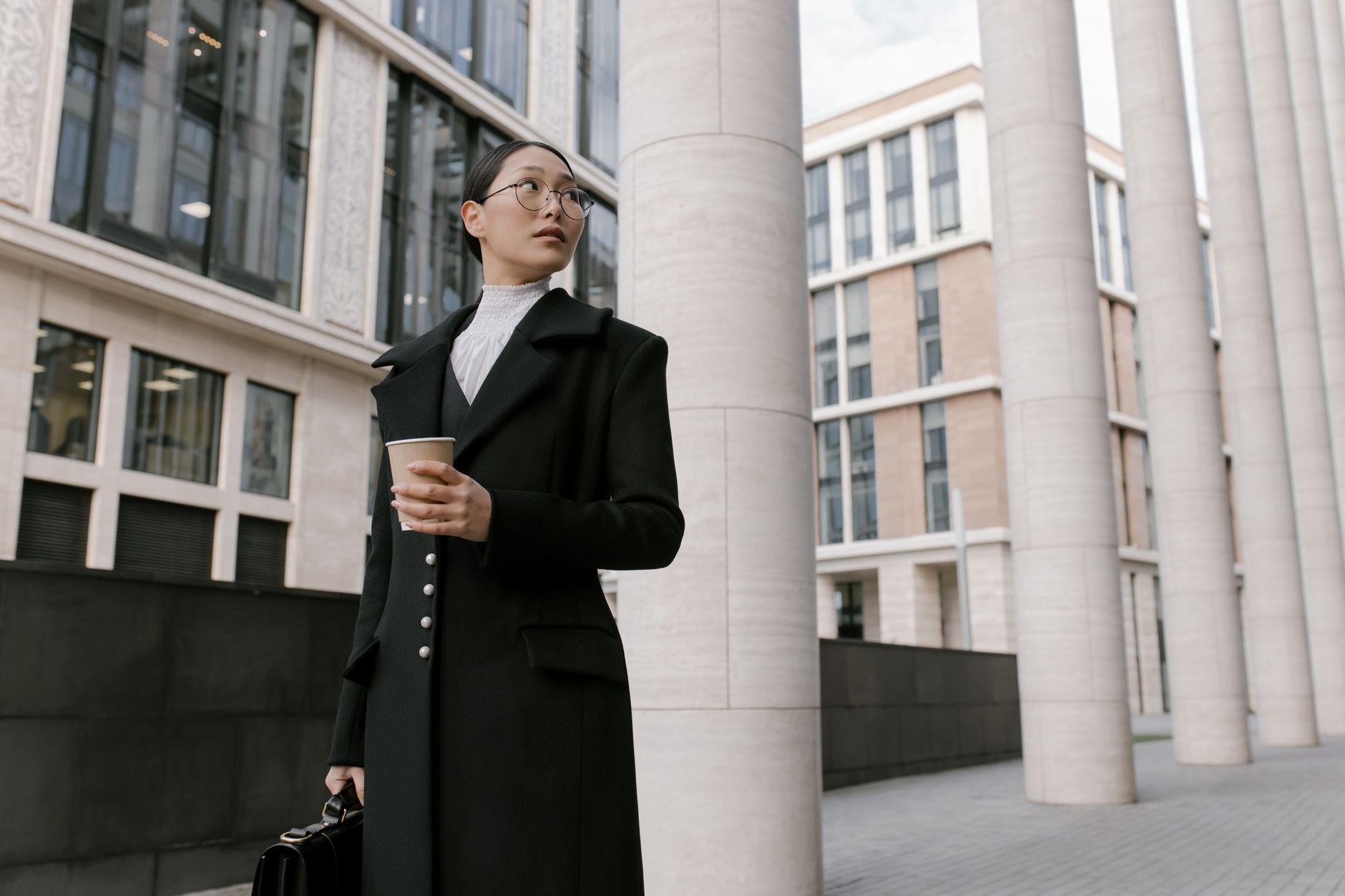
Seriously, a classic black trench coat isn’t just for rainy days. You can throw it over a dress for a sophisticated look, wear it with jeans and boots for a chic everyday ensemble, or even use it as a lightweight layering piece when the weather is unpredictable. It’s a prime example of how a single, well-chosen item can contribute to literally dozens of different outfits. I’ve seen it work wonders for people with budgets as low as $50 for an item, proving that versatility doesn’t always require a huge investment.
Now, I’m not saying you should never buy anything fun or trendy. That’s ridiculous! The limitation with focusing solely on versatile pieces is that sometimes, you just want to wear that sequined top for New Year’s Eve, or that flowy, floral dress for a summer picnic. It’s completely valid to have those statement pieces that bring joy and personality. The trick is finding a balance; perhaps 80% of your wardrobe is made up of these adaptable staples, and the remaining 20% are those specialty items that make your heart sing.
Think about the cost-per-wear factor. That $50 sweater you wear 3 times a week for six months is a much better investment than that $150 dress you wear for one wedding and then it hangs in your closet collecting dust. Sites like Investopedia can break down the math, but it’s pretty straightforward: the more you wear something, the cheaper it effectively becomes. This is why focusing on versatility isn’t just about style; it’s also smart financial planning, akin to understanding how to budget effectively as outlined by NerdWallet.
This approach also drastically cuts down on decision fatigue. When you have a core of versatile items, putting together an outfit becomes significantly easier. You’re not rummaging through a sea of options; you’re building combinations from a curated selection of reliable pieces. It saves time, reduces stress, and paradoxically, often leads to more stylish and cohesive looks. The Congressional Budget Office, for instance, often highlights how efficient systems reduce overall costs and improve outcomes in various sectors, a principle that absolutely applies to personal wardrobes.
The environmental impact is another huge consideration. Fast fashion contributes significantly to landfill waste, and producing new clothing requires immense resources. By investing in high-quality, versatile clothing that you’ll wear for years, you’re not only saving money but also making a more sustainable choice. It’s a win-win that aligns with broader societal goals for a healthier planet, something detailed in various U.S. Environmental Protection Agency reports.
Ultimately, a closet full of versatile basics doesn’t just offer more outfit possibilities; it offers better possibilities. It’s about building a wardrobe that serves you, rather than one that dictates to you. You’ll look better, feel better, and probably spend less time wrestling with your clothes in the morning. If you’re still clinging to that one-time-wear impulse buy, you’re probably just delaying your own style emancipation.