From Spotlight to Huddle: Navigating Your Wardrobe for the Stage vs. the Table
I once showed up to a board meeting in a slightly-too-loud, brightly colored blazer I’d worn for a keynote speech. It felt right under the stage lights, commanding attention. But sitting around a polished table with folks in muted tones and conservative suits, I felt like a peacock who’d wandered into a penguin colony. It was a stark reminder: dressing for a keynote and dressing for a meeting aren’t the same game.
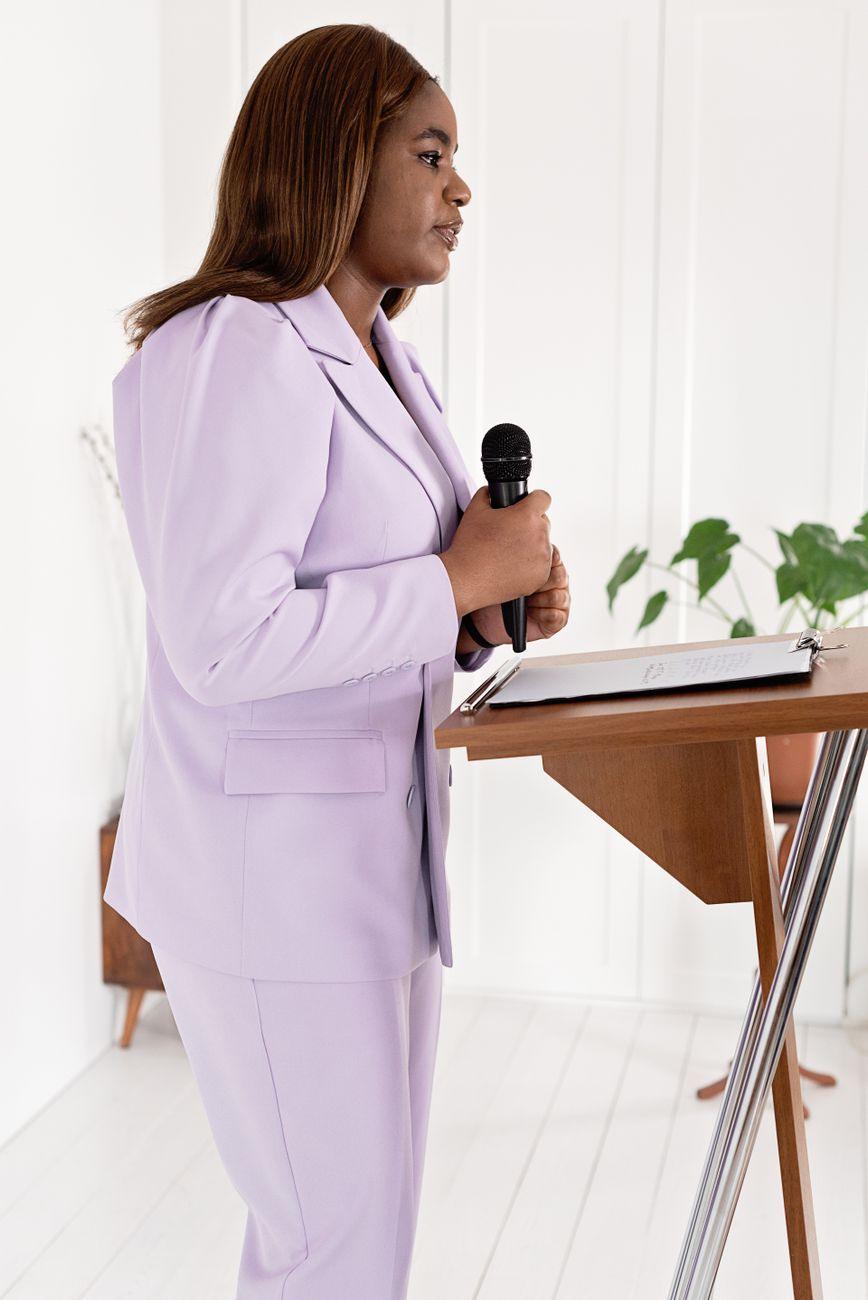
When you’re delivering a keynote speech, you’re the main event. The goal is to command attention, project authority, and be memorable. Think about your favorite speakers; they probably weren’t wearing just any old outfit. They likely wore something that amplified their presence. This might mean a bold color, a distinctive silhouette, or even a well-chosen accessory that sparks conversation. The keynote outfit should be an extension of your message, not a distraction. For men, this could be a sharp suit in a slightly less common color like a deep teal or a rich burgundy, or even a well-tailored sport coat with contrasting trousers. For women, it might be a striking dress in a solid, vibrant hue, or a sophisticated blouse paired with a powerful skirt or trousers. The fabric should look good under bright lights, avoiding anything too shiny that might create glare. Remember, you’re building a connection with an audience, often from a distance, so your visual impact needs to be strong and clear.
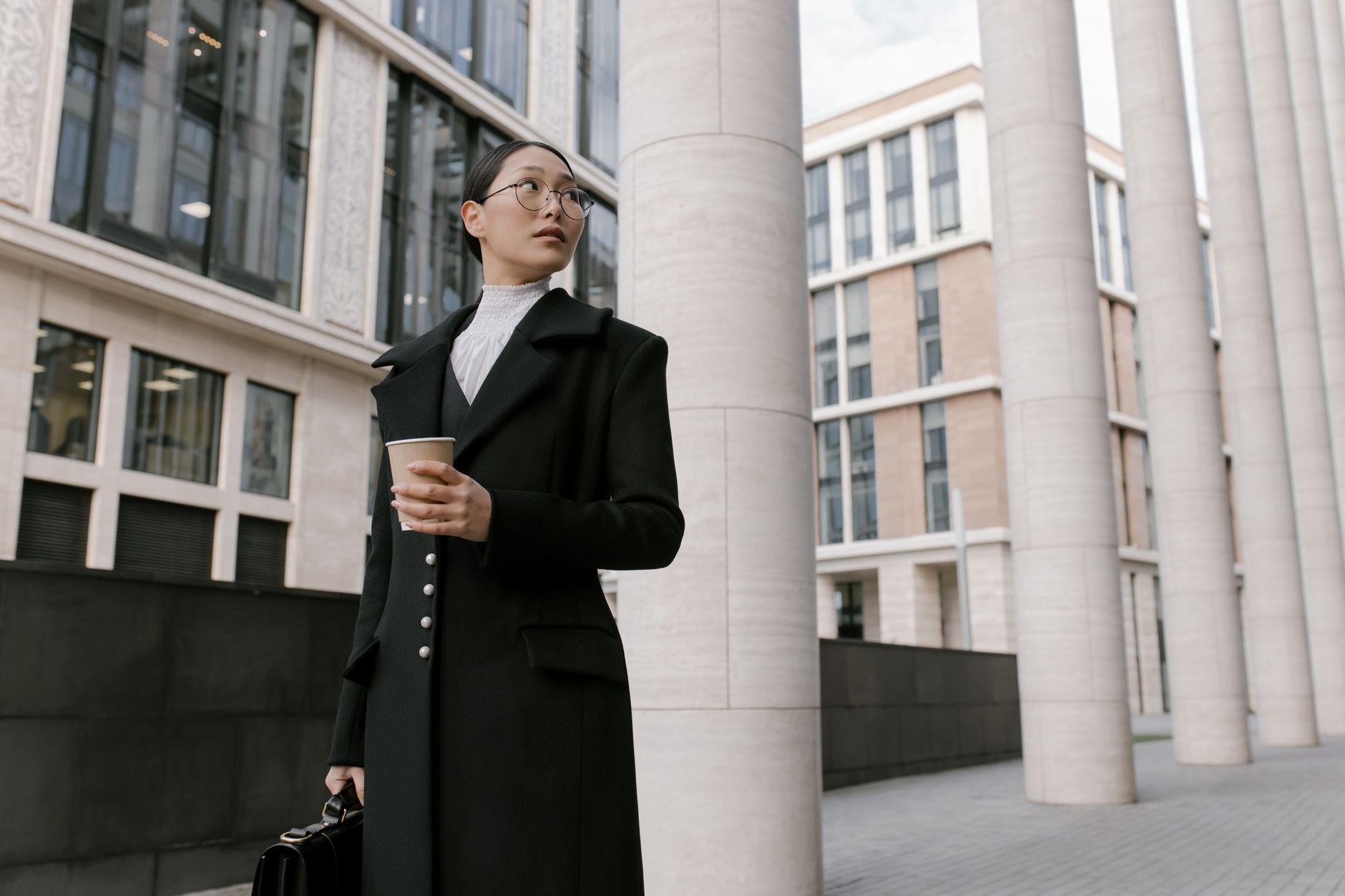
Conversely, dressing for a meeting is about fitting in and fostering collaboration. You’re part of a group, aiming to build consensus and make decisions. The focus should be on professionalism and signaling that you’re serious about the discussion, not on stealing the spotlight. Imagine walking into a room where everyone else is in navy blazers and grey slacks. You, in that same bright blazer from the keynote, suddenly become the outlier. For a typical business meeting, especially if it’s an internal one or with a client you know is more formal, sticking to a classic, understated look is usually the safest bet. This means navy suits, charcoal grey, black, and crisp white or light blue shirts. For women, a well-fitting pantsuit, a conservative skirt suit, or a smart blouse with tailored trousers or a pencil skirt are excellent choices. The aim is to blend in professionally, showing respect for the group dynamic and the seriousness of the agenda.
One of the biggest criticisms I have of the whole “professional dress code” thing is how much it can vary, and how often it’s unspoken. It’s like everyone’s supposed to intuit the right level of formality, and if you get it wrong, you might just get overlooked. I’ve seen incredibly talented people dismissed because their attire was perceived as too casual for a client meeting, even if their ideas were brilliant. It’s frustrating because it puts a lot of pressure on individuals to decode social cues that aren’t always clear. The fact that we’re even talking about this highlights how much emphasis is placed on appearance, sometimes overshadowing substance.
The general rule of thumb is to err on the side of caution for meetings, especially if you’re unsure of the company culture or the formality of the specific gathering. If you’re meeting with a new client, or attending a high-stakes negotiation, you absolutely want to project competence and reliability. This often translates to a more conservative approach. Think about the impression you want to make. Are you the visionary leader inspiring a crowd, or the detail-oriented professional contributing to a team effort? Your wardrobe choice should align with that role. For instance, a tech startup’s all-hands meeting might be perfectly fine with smart casual, while a law firm’s partner meeting will likely demand suits.
It’s genuinely surprising how a simple choice of tie pattern or the presence or absence of a pocket square can shift perceptions. I remember a situation where I was about to pitch a big project, and my mentor pulled me aside and said, “Ditch the patterned shirt. Go plain white. They need to focus on what you’re saying, not whether your shirt is clashing with your tie.” He was right. The less visual noise, the more your message cuts through. This is particularly crucial when you’re trying to convey credibility and trustworthiness. A well-tailored suit in a neutral color, paired with a conservative shirt and tie, sends a powerful signal of seriousness and respect. You can find great advice on professional attire for men on sites like Forbes.
For women, understanding the nuances of business attire is just as important. The “power suit” has evolved, but the principle remains: present yourself in a way that commands respect. This doesn’t mean sacrificing personal style, but rather adapting it to the professional context. Think about fabric quality and fit. A perfectly tailored blazer or a structured dress can make a world of difference. Websites like Investopedia offer insights into what constitutes appropriate business attire across various industries. The key is to avoid anything that could be distracting, whether it’s too revealing, too flashy, or simply ill-fitting.
Ultimately, the difference boils down to your objective. Are you aiming to be the star of the show, or a valuable contributor to a collective effort? Your attire should reflect that. It’s not about rigid rules; it’s about strategic communication. Sometimes, showing up in something completely unexpected can be a powerful statement.