From Stiff Suits to Stylish Statements: Women’s Workwear’s Wild Ride
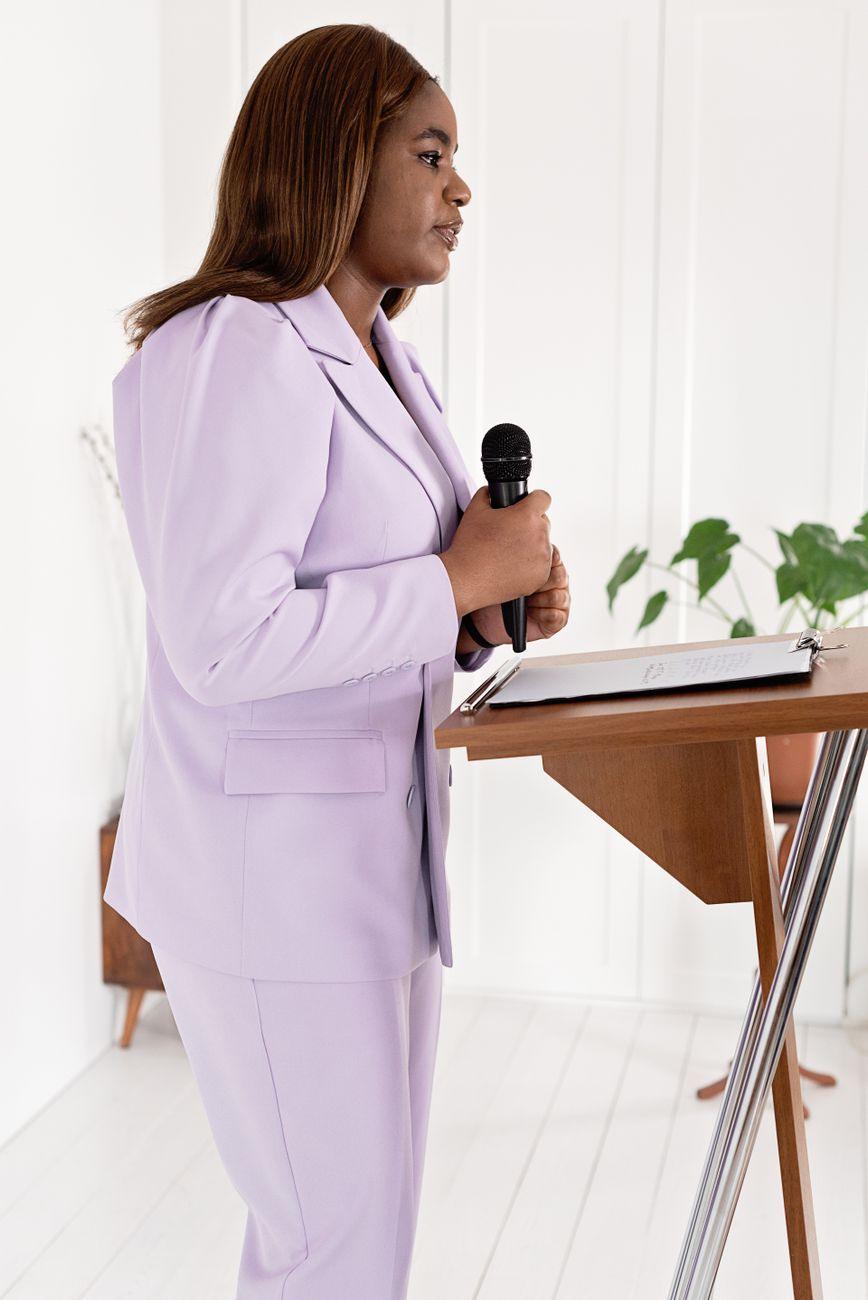
I remember my mom’s work wardrobe in the late eighties. Think shoulder pads that could double as flotation devices and skirts that hit exactly at the knee, no more, no less. It was all about looking serious, almost severe, a deliberate shedding of anything perceived as frivolous to be taken seriously in a man’s world. The power suit, usually in navy, grey, or black, was the undisputed uniform. Forget comfort; the goal was authority, and that meant rigid fabrics and structured silhouettes. You’d see women in sharp, tailored blazers and matching trousers or pencil skirts, often paired with sensible, low heels and a crisp, button-down blouse. It was a visual declaration: “I’m here to work, and I’m just as capable as any man.”
Then came the nineties, and things started to loosen up, albeit slowly. The power suit remained, but you’d see variations like a slightly more relaxed fit or the introduction of softer fabrics. The classic blazer was still a staple, but women began to experiment with pairing it over more fluid tops, maybe a silk camisole or a subtly patterned blouse, with dressier trousers that weren’t necessarily part of a matching set. We also saw the rise of the “business casual” concept, which was frankly a bit of a minefield for a long time. Suddenly, khakis and polo shirts were… acceptable? It felt like a concession, a nod to comfort that didn’t quite erase the underlying pressure to maintain a certain level of polish. Honestly, navigating those early business casual guidelines was exhausting; I recall agonizing over whether a specific knit top was too casual or not casual enough.
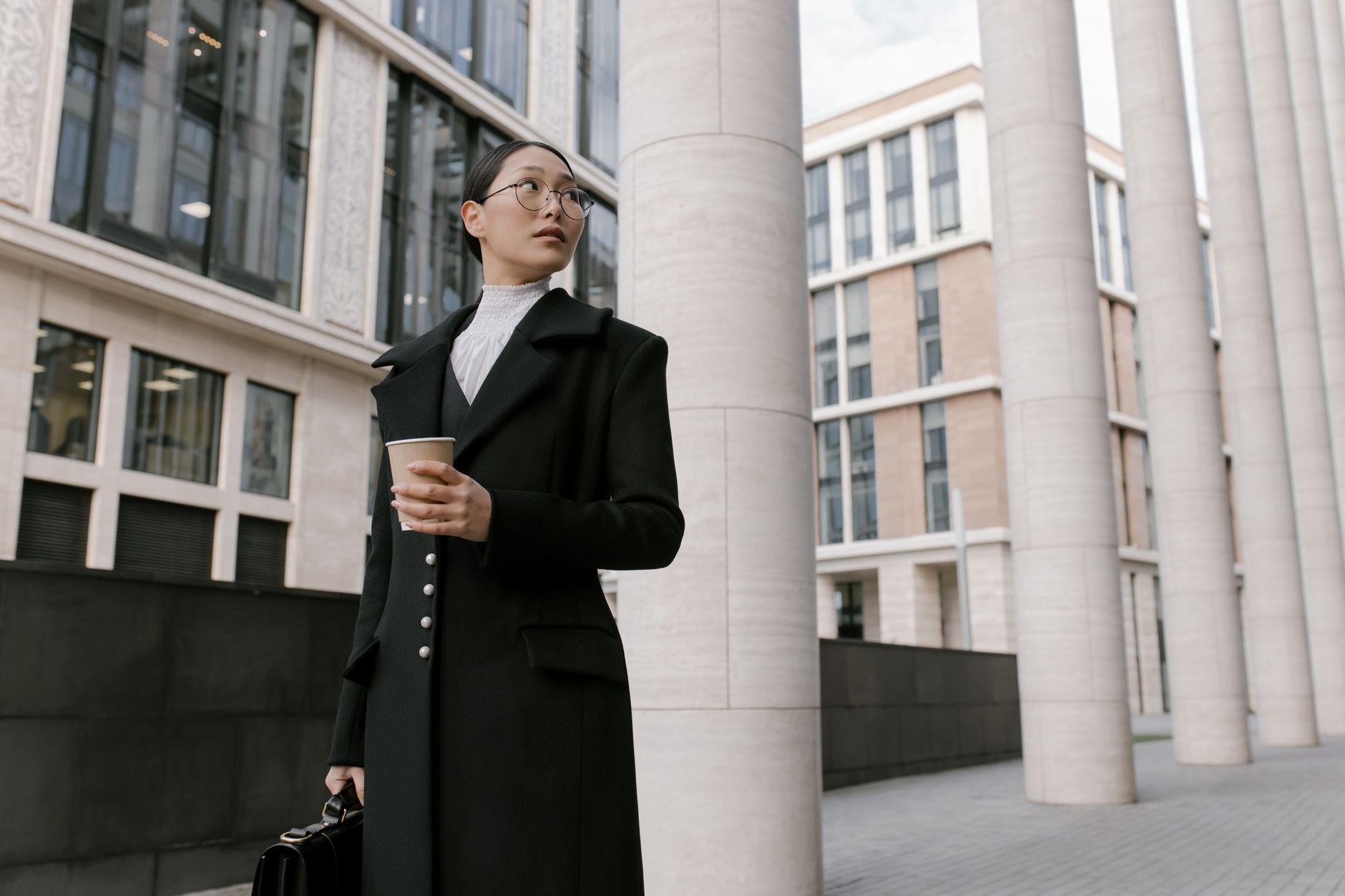
The early 2000s brought a further blurring of lines, and honestly, for the better. The rigid adherence to the matching suit started to fade significantly. Women began to embrace more individuality in their professional attire. Think a well-cut blazer in a rich jewel tone thrown over a simple sheath dress, or stylish trousers in a wider leg cut paired with a more fashion-forward blouse. The rise of the internet and global communication also played a role, exposing us to different fashion influences and making it easier to find more diverse options. Suddenly, brands that catered specifically to women’s professional needs started popping up, offering more variety in styles, fits, and fabrics. It was a relief to finally see some actual choice!
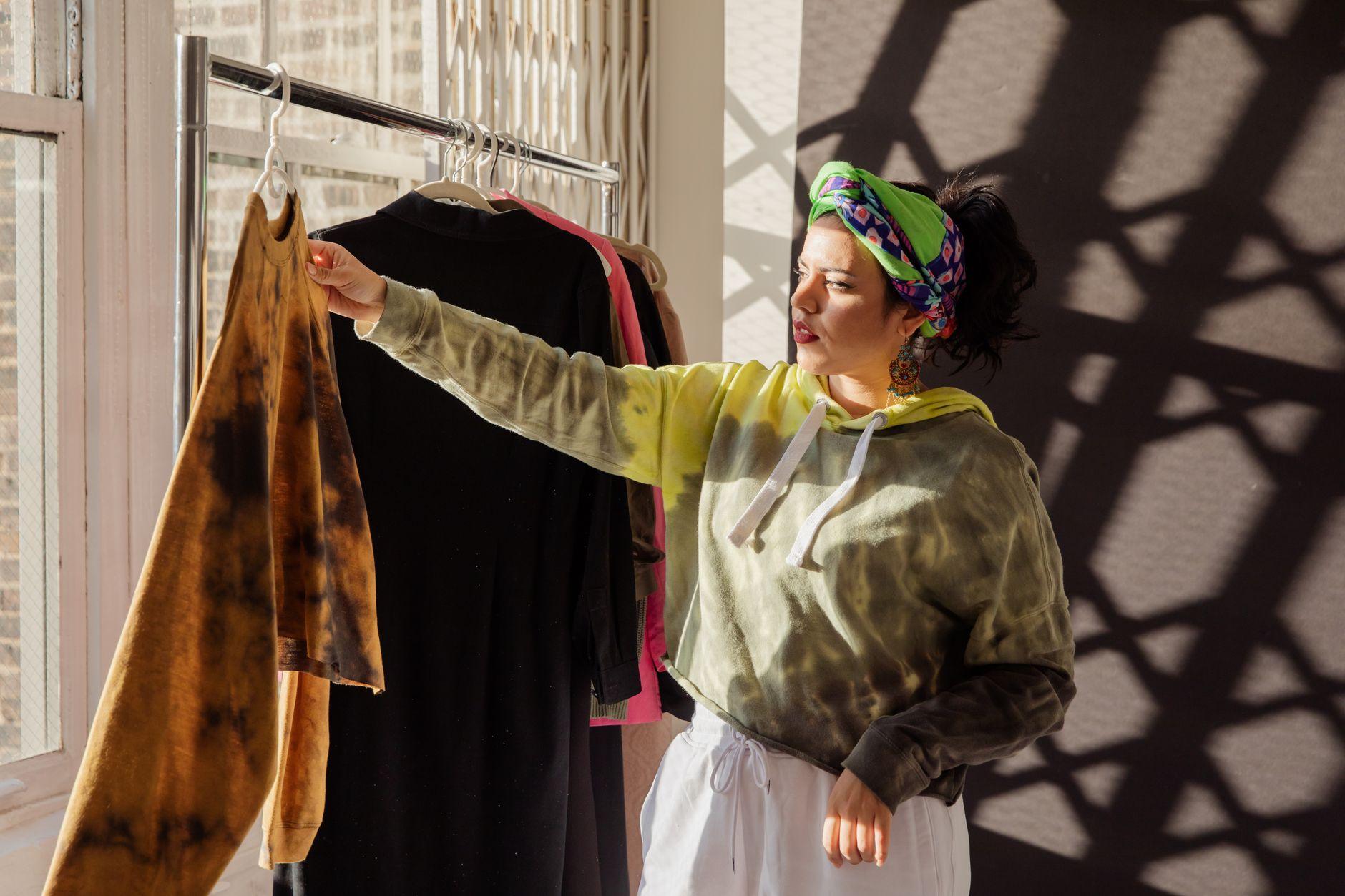
Now, fast forward to today. The evolution of women’s professional attire is astonishing, though the pandemic definitely threw a curveball. Remote work made comfort king for a while, and many women realized they could be just as productive in stylish leggings or elevated loungewear as they were in heels. This has led to a lasting shift, even as many people return to the office. We’re seeing a much broader acceptance of smart casual and even “dressy casual” in many workplaces. Think high-quality denim (dark wash, no rips, of course!), chic sweaters, stylish sneakers, and blazers that are more like fashion pieces than strict uniform components. It’s about looking put-together and professional, but with a personal touch and, crucially, comfort. For a while there, I was convinced we’d all end up working in sweatpants forever.
However, this greater flexibility isn’t without its downsides. The very definition of “professional” can become incredibly subjective, leading to confusion and, sometimes, even bias. What one manager considers appropriate might be seen as too casual by another, creating an uneven playing field. This ambiguity can still disproportionately affect women, who may face more scrutiny over their appearance than their male counterparts. For instance, while a man might get away with a slightly rumpled shirt, a woman in a similar situation could be perceived as less diligent. It’s a lingering frustration that despite all the progress, the double standards haven’t entirely vanished. According to a 2023 study by McKinsey & Company, appearance bias remains a significant factor in career progression for women.
The shift towards more individualized professional dress also means we’re investing in a wider range of clothing. Instead of a few identical suits, women are building wardrobes with versatile separates that can be mixed and matched. This might include a few well-tailored blazers, a collection of sophisticated tops in various fabrics and colors, comfortable yet stylish trousers, and a good pair of work-appropriate dresses. The emphasis is on quality over quantity, with pieces that can transition from the office to after-work events. Sites like Net-a-Porter and Everlane offer examples of this more curated approach to professional wardrobes. It’s a far cry from the days when your work closet consisted of two identical suits and a handful of blouses.
Ultimately, the evolution of women’s professional attire reflects broader societal changes regarding gender roles and expectations. It’s a journey from enforced conformity to empowered self-expression, though the underlying pressures to perform and be perceived as competent haven’t entirely disappeared. The goal now, for many, is to strike a balance between looking polished and feeling authentically themselves. It’s a complex equation, and honestly, sometimes I think we’re all still just guessing. We’ve traded the tyranny of the power suit for the existential dread of deciding if wide-leg linen pants are actually “business.”