Wardrobe Time Travel: What Clothing Choices Stand the Test of Time, and Which Are Destined for the Dustbin?
I remember my first real “grown-up” job, the one where I felt like I was pretending to be a professional. I spent a fortune at a department store, grabbing anything that looked vaguely “corporate.” What a mistake. You see, there’s a huge difference between business attire that ages well and attire that doesn’t, and it’s not just about the price tag. It’s about understanding fabric, fit, and timeless design. Think of it like investing in a classic watch versus a trendy digital one that’ll be obsolete in a year.
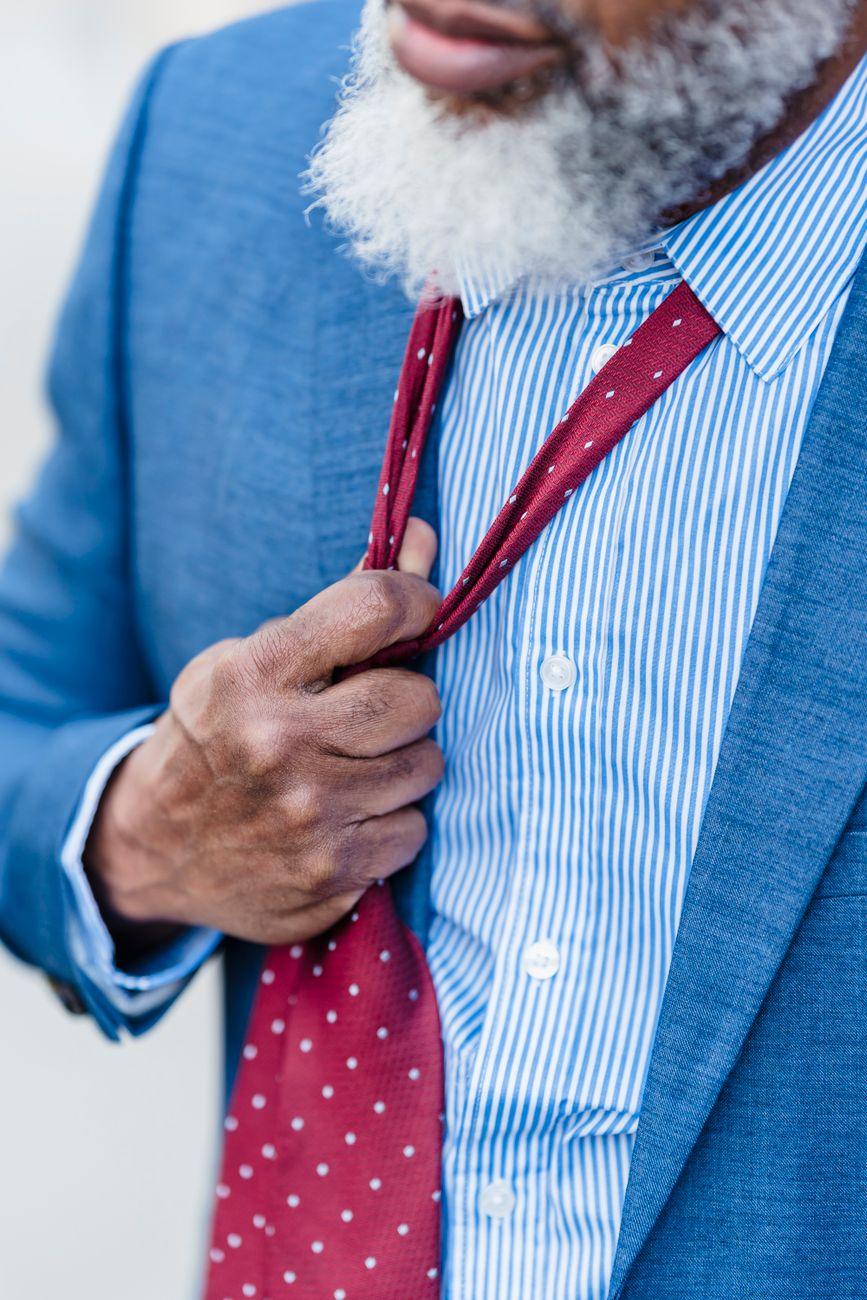
My biggest regret was buying a whole bunch of trendy, brightly colored suits that were all the rage back then. They looked great for about six months. Then, suddenly, they felt… wrong. The colors looked dated, the cuts were a little too “of the moment,” and they just screamed “trying too hard.” This is exactly what happens when you opt for fashion-forward pieces over enduring classics. A navy blue suit, a crisp white button-down shirt, or a well-tailored black dress can last you a decade or more, evolving with subtle shifts in how you accessorize. You can find a fantastic guide to building a versatile professional wardrobe on sites like Forbes.
The real killer of long-lasting business attire is often poor quality fabric. That $50 blazer from a fast-fashion retailer might seem like a steal, but chances are it’s made from a synthetic blend that’s going to pill after a few wears, lose its shape, and never really look good. I learned this the hard way with a few “poly-blend” shirts that felt scratchy and looked like they’d been through the wringer after just a couple of washes. Natural fibers like wool, silk, and high-quality cotton are your best friends here. They drape better, breathe well, and with proper care, they can look fantastic for years. For example, a 100% merino wool suit will always outclass a polyester one, even if they cost the same upfront. You’ll spend more initially, but the cost-per-wear will be significantly lower.
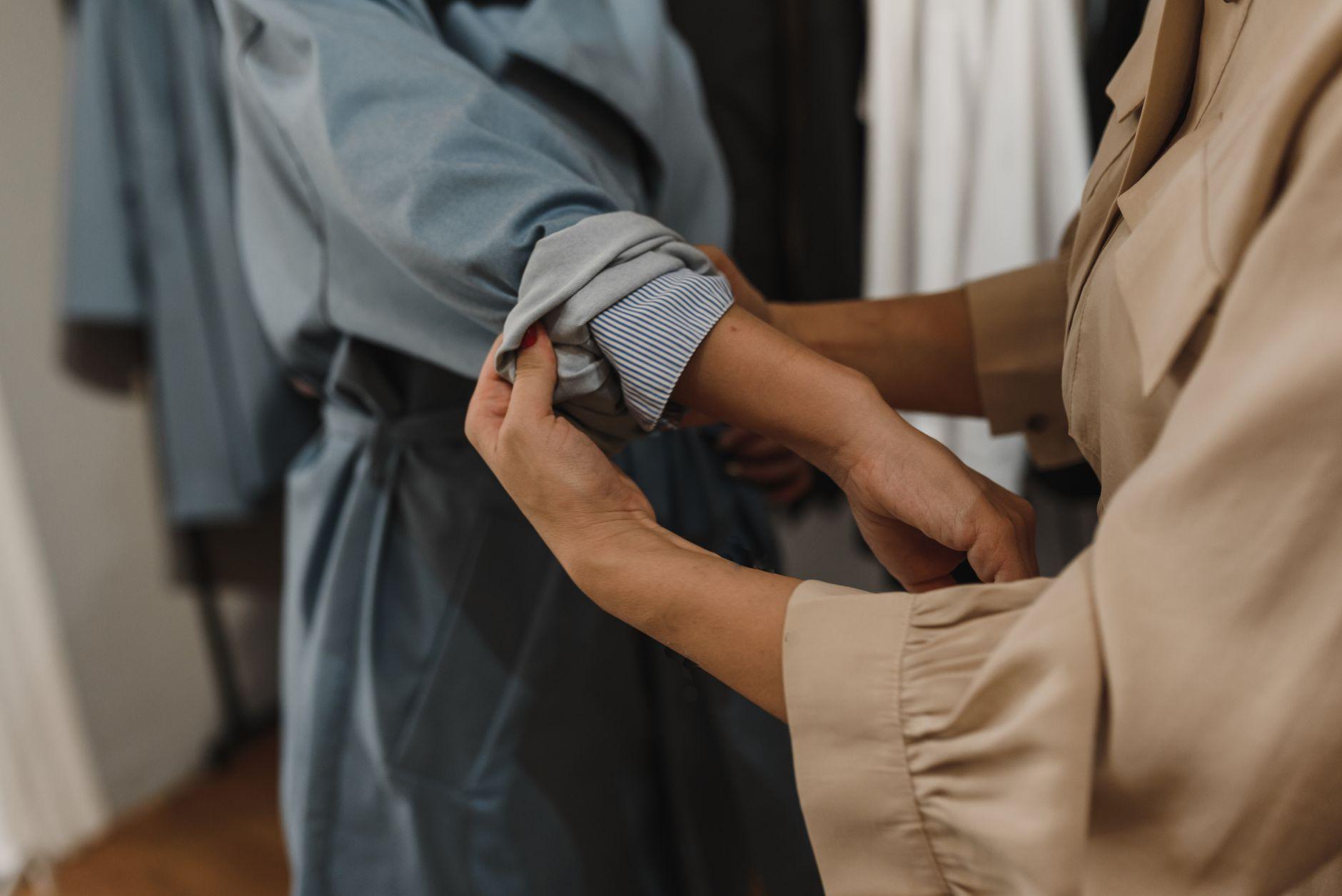
Fit is another massive factor that separates the timeless from the trash bin. Ill-fitting clothes are never flattering, no matter how expensive or well-made they are. A suit that’s too tight around the shoulders or a dress that gapes at the bust will make you look unpolished. Similarly, oversized pieces can make you appear sloppy. The key is finding clothes that fit your body now. Investing in tailoring is non-negotiable for professional dress. It’s amazing what a few minor adjustments can do to a garment, transforming it from something just okay to something truly spectacular. A good tailor can save even a slightly flawed piece of clothing and make it work for you, potentially saving you hundreds of dollars compared to buying new. This is one area where I’m absolutely firm: always get your clothes tailored.
Then there’s the issue of fussy details. Those embellished collars, oversized buttons, or unusual patterns might catch your eye in the store, but they’re the first things that scream “outdated.” Think about sequined blouses or neon-colored trousers – they’re fun for a season, maybe two, but they quickly become liabilities in a professional setting. Stick to clean lines, subtle detailing, and neutral colors for your core pieces. A simple sheath dress in charcoal grey will be relevant for years, whereas a dress with a bold geometric print might feel tired in just a season or two. The average lifespan of a trendy garment can be as little as six months to a year before it’s out of style, according to some fashion industry analyses.
I’m genuinely baffled by how many people still buy clothing made with cheap synthetics and expect it to last. It’s like buying a car with square wheels and expecting a smooth ride. It just doesn’t work. The lack of breathability, the way they wrinkle, and the general lack of substance are all dead giveaways that these pieces won’t be part of your professional rotation for long. You’ll end up with a closet full of clothes that you don’t actually want to wear. Learning to read a fabric care label is a fundamental skill, as crucial as knowing how to balance a budget.
Ultimately, the difference between business attire that ages well and attire that doesn’t comes down to making smart choices. Prioritize quality over quantity, classic silhouettes over fleeting trends, and proper fit above all else. Building a wardrobe of enduring pieces might require a slightly higher upfront investment, but it will save you money and stress in the long run. You’ll find that a well-curated collection of versatile items allows for countless combinations, making getting dressed for work a breeze, not a battle. For a deeper understanding of cost-effective wardrobe strategies, NerdWallet offers some practical tips.
Wearing something that looks genuinely good on you, regardless of its trend status, is surprisingly subversive in a world obsessed with the next big thing.