
Your Webcam’s Silent Judgement: Why What You Wear Still Matters When You’re Not In The Office
I remember this one time, early in the pandemic, I rolled out of bed, threw on a t-shirt with a questionable stain, and logged into my first video call. My boss, always impeccably dressed even in his home office, gave me this look. It wasn’t anger, more like a raised eyebrow and a slight sigh. That’s when it hit me: even though we were miles apart, the way I presented myself still screamed professionalism, or lack thereof. It’s a weird psychological thing, isn’t it? You’re literally at home, probably in your PJs just moments before, but that little window on your screen becomes a miniature boardroom.
This whole remote work wardrobe thing can be a real headache. You want to be comfortable, sure, but you also want to be taken seriously. One of my friends, Sarah, works for a tech startup, and they have this policy where everyone has to wear a collared shirt for all internal meetings. She finds it absolutely ridiculous, especially when they’re just brainstorming ideas about code. “It feels so performative,” she told me, and honestly, I get it. It’s like we’re all auditioning for a job we already have.
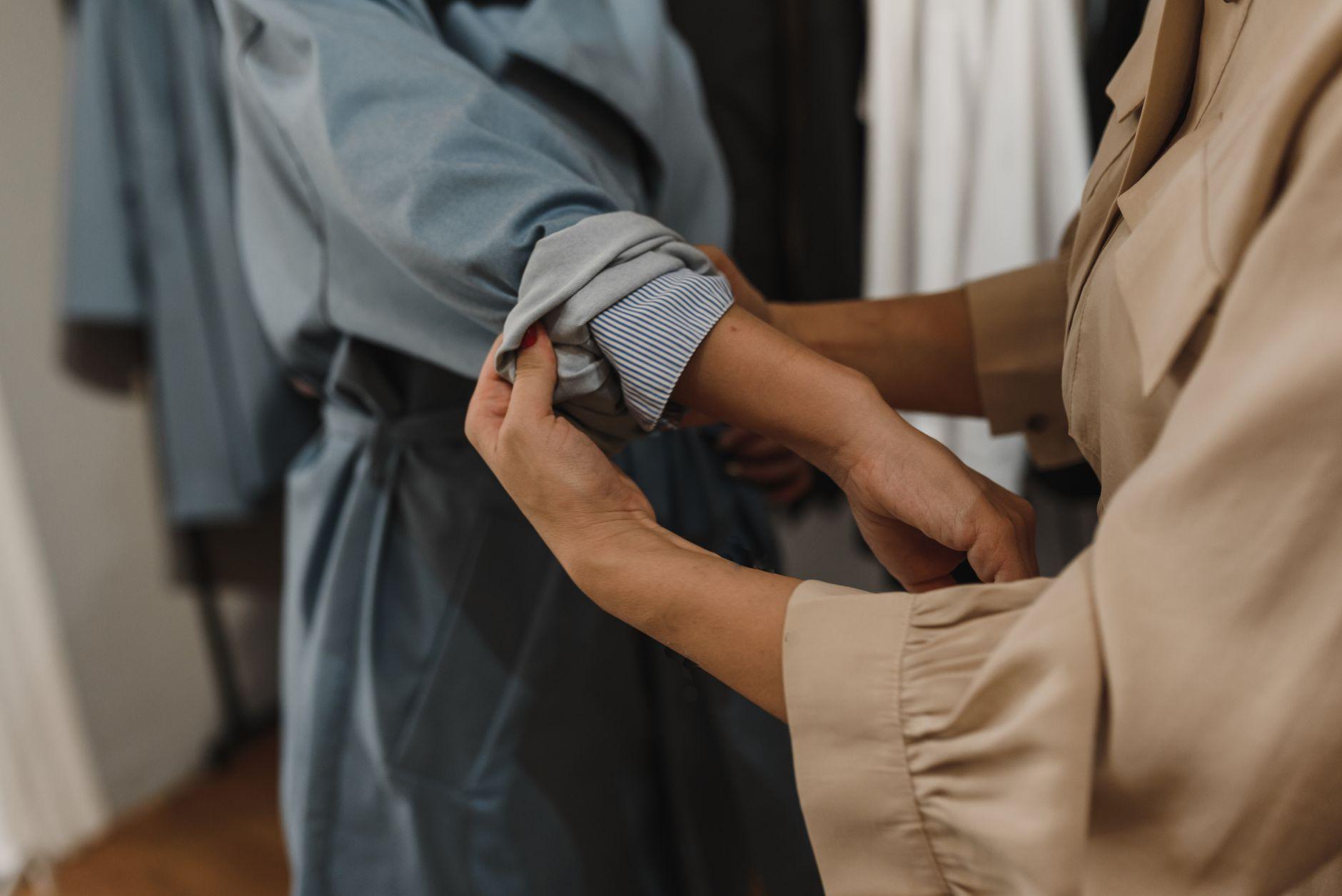
The truth is, your clothing choices can subtly influence how your colleagues and superiors perceive your competence and dedication. Think about it: if you show up to a virtual client meeting looking like you just woke up, the client might subconsciously question your ability to handle their important project. Studies, like those in Harvard Business Review, have explored the concept of enclothed cognition, the idea that your clothing can impact your psychological state and performance. So, wearing something that makes you feel a bit more put-together, even if it’s just a nice sweater instead of a hoodie, can actually make you feel more focused and prepared.
It’s not just about looking good; it’s about signaling respect for the professional environment, even if that environment is your living room. When I’m on a video call with a new client or a senior executive, I’ll consciously choose a blouse or a button-down shirt. It’s not about fooling anyone; it’s about projecting an image of preparedness. This isn’t some groundbreaking revelation; remember how much time people used to spend picking out their work outfits? The core principle hasn’t changed, only the medium.
Now, here’s where it gets frustrating. The pressure to maintain a certain visual standard can be exhausting, especially when you’re already juggling multiple responsibilities at home. My neighbor, Mark, who’s a graphic designer, told me he once spent nearly $200 on a few new business-casual shirts solely for his video calls. He wasn’t trying to impress anyone new; his existing wardrobe was fine for his personal life. It just felt like an added, unnecessary expense driven by an unspoken expectation. This can be a significant downside, turning a supposed benefit of remote work – comfort and cost savings – into another financial burden.
What’s more, this dress code expectation often overlooks the practicalities of working from home. Maybe your internet connection is spotty, or you’ve got kids running around. Focusing on your attire can feel like a superficial fix when there are bigger operational issues at play. For example, I’ve seen people brilliantly solve complex technical problems during calls while wearing sweatpants. Their output and ideas were top-notch, yet if they’d been judged solely on their appearance, they might have been dismissed. It’s a tricky balance to strike, and frankly, sometimes the emphasis feels misplaced.
Despite these nuances, maintaining some level of professional presentation can still be beneficial. Think about it like this: when you’re preparing for a job interview, you don’t just wing it. You put on your best suit or professional attire. The same logic, albeit on a smaller scale, applies to daily video conferences. A simple clean shirt, minimal distractions in your background, and good lighting can make a significant difference in how your contributions are received. It signals that you value the meeting and the people you’re interacting with, much like showing up on time.
Ultimately, the perception of professionalism in a remote setting is a complex cocktail of your actual work, your communication style, and yes, even what’s visible on your screen. While I don’t think anyone needs to wear a full business suit to their daily stand-up, a little effort goes a long way. It’s less about adhering to rigid corporate fashion rules and more about understanding the psychological impact of visual cues. It’s a subtle art, this remote work presentation, and one that many people are still trying to master. So, next time you’re about to hop on a call, maybe take an extra 30 seconds to smooth down your hair and choose that slightly less stained t-shirt; you never know who’s judging your brand.