Projecting Power: How Your Wardrobe Speaks to Clients Versus Money Movers
I remember one time, I was meeting with a potential client who ran a small, but growing, artisanal bakery. My usual go-to is a sharp suit, but for them, I opted for a well-fitting blazer, a crisp button-down, and dark, stylish chinos. It felt right, you know? Casual enough to be approachable, but put-together enough to show I was serious about their business. It’s all about building rapport and making them feel comfortable that you understand their world. You want them to see you as someone who gets it, not some corporate suit who’s out of touch. For a client, it’s often about demonstrating relatability and professionalism that aligns with their brand, not yours. Think about a graphic designer meeting a startup founder versus a lawyer meeting a Fortune 500 CEO; the dress code shifts dramatically.
Then there are investors. Oh boy, investors. You can’t just show up in those same chinos, even if they were the most expensive ones you own. When you’re pitching for capital, say, a seed round or a Series A, you’re talking to people who are betting serious money on your vision. They’re looking for signs of scalability, gravitas, and someone who looks like they can manage significant resources. I once saw a founder at a pitch competition – super smart, amazing idea – wearing a slightly rumpled polo shirt. The judges were polite, but you could tell it wasn’t the look of someone ready to lead a company that would IPO.
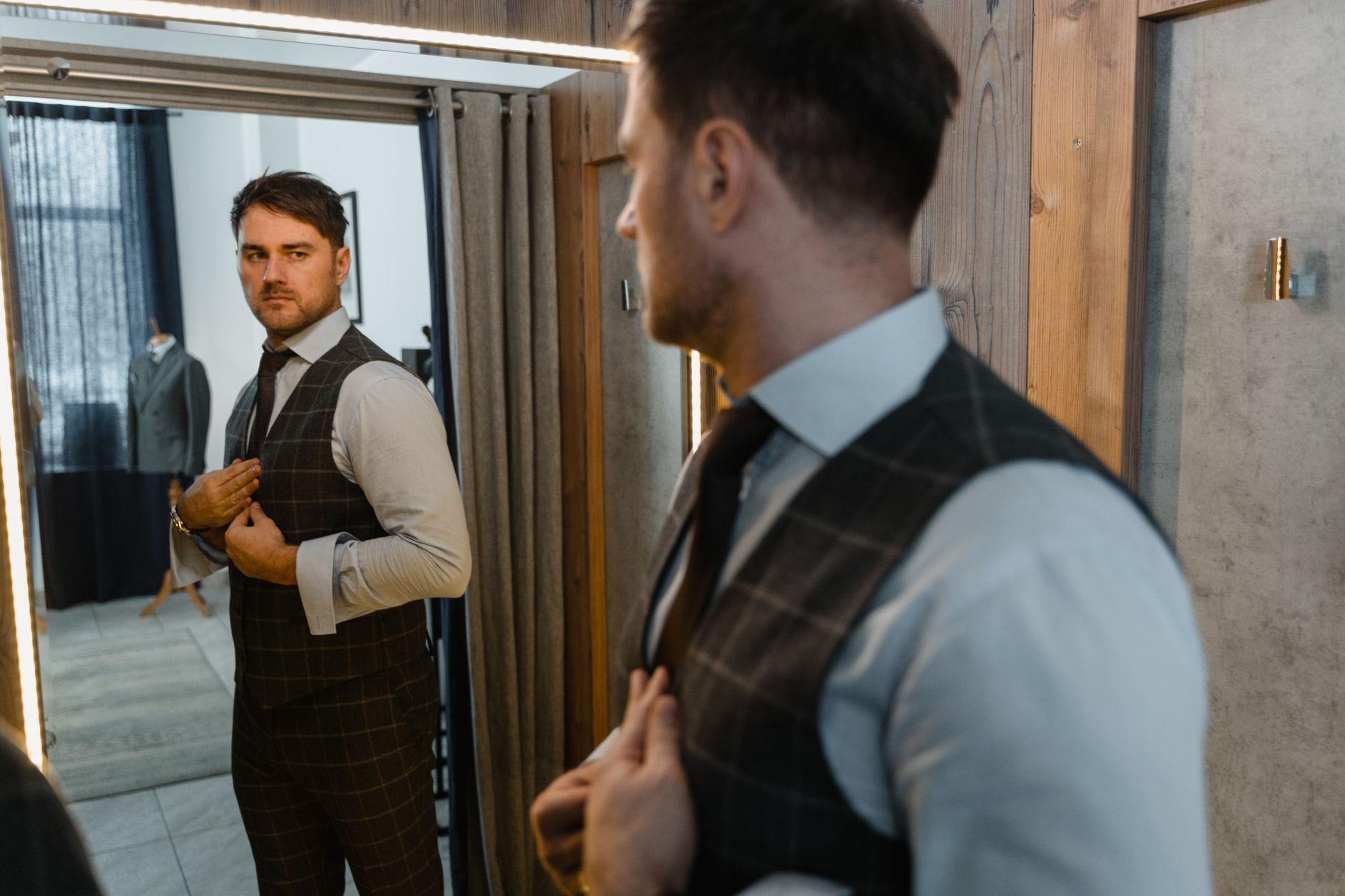
For investor meetings, it’s generally safer to err on the side of formal. This usually means a suit. It doesn’t have to be some stuffy, old-school dark navy or black suit, though those are always solid bets. Think a well-tailored charcoal gray or a sophisticated medium blue. Pairing it with a classic tie and polished dress shoes signals you’ve put in the effort. It’s about projecting competence and seriousness. Investors are often evaluating not just the idea, but the team behind it, and how you present yourself is a huge part of that initial assessment.
It’s really frustrating, actually, because sometimes the most brilliant founders dress like they rolled out of bed. I’ve sat in rooms with people who have truly world-changing ideas, and they’re wearing sneakers and a hoodie. And while I get it on one level – focus on the tech, not the threads – you have to remember that investors are also looking for cues about your ability to execute on a grand scale. A polished appearance can subconsciously signal a disciplined mindset, which is crucial when you’re talking about managing millions of dollars and a growing workforce. It’s an unspoken part of the due diligence, for crying out loud.
Clients, on the other hand, might appreciate a slightly more relaxed vibe. If you’re a consultant working with a tech startup, a blazer over a nice t-shirt might be perfect. If you’re a photographer shooting a wedding, you’ll likely dress in a way that’s noticeable but not distracting, perhaps a stylish dress or a smart shirt and trousers. The key here is alignment. You want your attire to resonate with your client’s expectations and the nature of your service. It’s about making them feel like you’re a partner in their endeavor, not just a vendor. For a marketing agency pitching a new campaign to a fashion brand, you’d probably dress quite differently than if you were pitching the same campaign to a manufacturing firm.
My personal opinion? I think sometimes we put too much emphasis on the “investor uniform.” While a suit is generally a good call, it’s the fit, the quality, and the overall presentation that truly matters. A cheap, ill-fitting suit looks worse than high-quality smart casual. But that said, showing up to a venture capital meeting in a t-shirt is almost always a mistake. It sends a signal that you might not grasp the gravity of the situation, or that you’re not taking the opportunity as seriously as they are. You can learn more about typical investor expectations from resources like Investopedia.
This is where it gets tricky. What if you’re meeting with an investor who is famously casual? I’ve heard stories of tech moguls who only wear jeans and t-shirts. Even then, it’s a calculated risk. Dressing down for a meeting with a casual investor might work, but dressing up to a certain degree almost never backfires. It shows you’re respectful of their time and the potential partnership. The goal is to communicate credibility and professionalism, and for many investors, that still translates to a certain level of sartorial polish. You can explore different business dress codes on NerdWallet.
Ultimately, whether you’re dressing for a client or an investor, the objective is to convey confidence and capability. For clients, it’s about building trust and showing you understand their needs. For investors, it’s about demonstrating you’re a safe bet for their capital and have the potential for significant growth. It’s a delicate balance, and frankly, sometimes it feels like you’re trying to solve a puzzle with missing pieces. As Forbes points out, your appearance is often the first impression, and you don’t get a second chance to make one. But don’t forget, sometimes the best-dressed person in the room is actually the least qualified.