The Office vs. The Weekend: When Your Wardrobe Needs a Switch-Up
I remember this one time, I had a job interview at a pretty swanky law firm, and I decided to layer up. I had on a crisp button-down, a fine-gauge merino wool sweater, and a tailored blazer. It felt right. Then, later that same day, I met friends for a casual brewery crawl. I still had on the button-down and sweater, but I ditched the blazer for a denim jacket. The difference was stark. What I learned that day, and what I’ll tell you now, is that layering isn’t just about staying warm; it’s about signaling something about yourself, and that signal changes dramatically depending on where you are.
Professional layering is all about structure, refinement, and signaling authority. Think about it: a suit jacket over a dress shirt isn’t just about looking sharp; it conveys professionalism, attention to detail, and respect for the environment you’re in. Even a well-placed cardigan or a vest can add a touch of gravitas. The materials are usually higher quality, like cashmere, merino wool, or silk blends. The fit is paramount; nothing too loose or too tight. It’s about creating a polished silhouette that says, “I’m serious and I’m capable.” This is why you’ll see blazers and sport coats are staples in so many professional wardrobes, often paired with button-down shirts or sophisticated turtlenecks. You’re aiming for a look that’s both commanding and approachable, depending on the context.
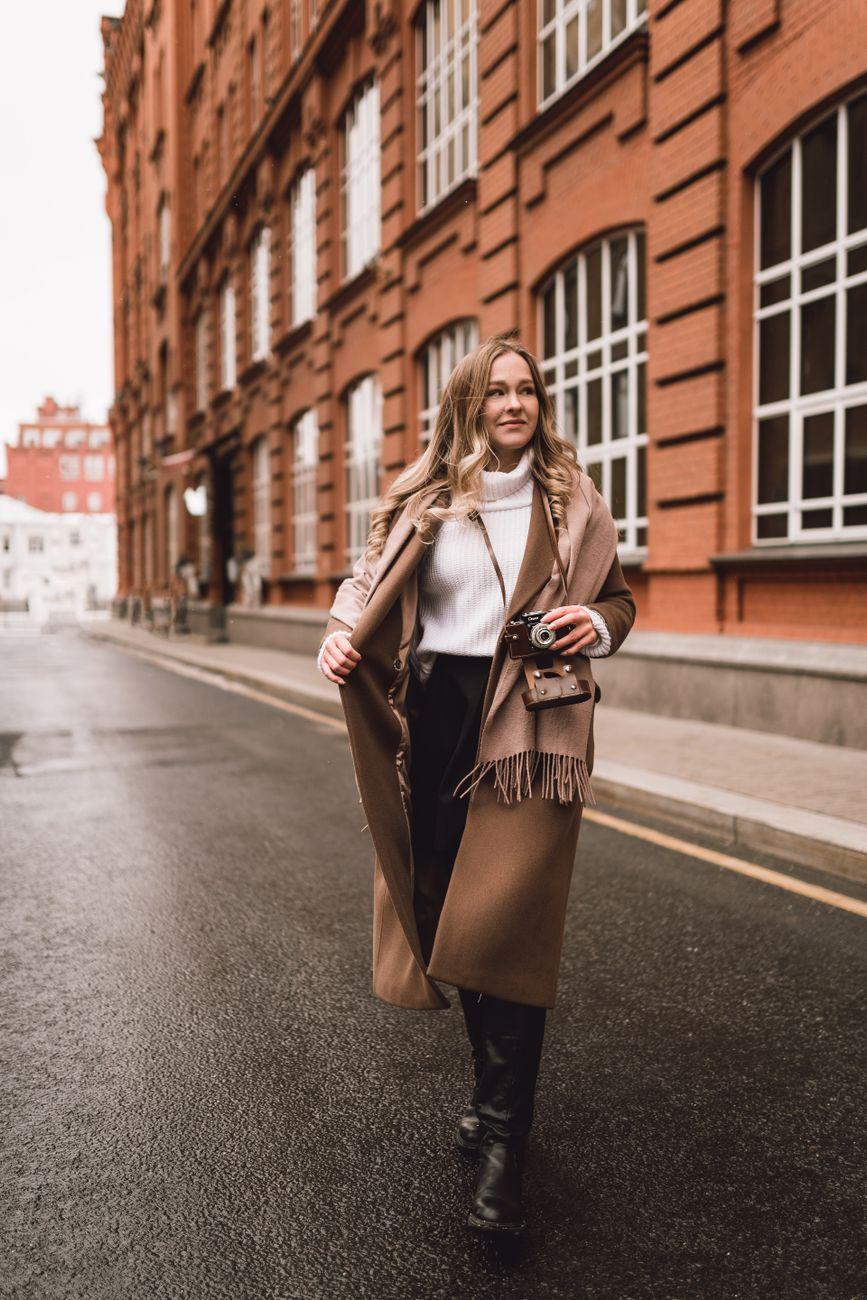
The casual layering scene, on the other hand, is where you can really let loose. It’s about comfort, personal style, and often, utility. I mean, who wants to feel stiff and constrained when they’re out hiking or just kicking back with pals? You’re more likely to see flannel shirts over t-shirts, hoodies under denim jackets, or even a lightweight puffer vest over a long-sleeved henley. The fabrics are generally more rugged and forgiving – think cotton, denim, fleece, and canvas. The fit can be looser, more relaxed. It’s less about projecting an image of power and more about expressing your individuality and staying comfortable.
Honestly, sometimes I get genuinely frustrated when people don’t understand this distinction. They’ll show up to a semi-formal work event in a graphic tee and a shacket, and it just feels… off. It’s not that the clothes are bad, but the layering choice sends the wrong message. For professional layering, the goal is often to look impeccably put-together, even if you’re just wearing a few pieces. This means coordinating colors and textures carefully. For example, a navy blazer over a light blue button-down with a subtle, muted tie is a classic professional look. In contrast, a bright red flannel over a black band t-shirt with ripped jeans is pure casual cool. It’s a fundamental difference in intent.
Now, here’s a criticism: professional layering can be expensive. Acquiring a wardrobe of well-fitting blazers, quality sweaters, and crisp shirts can easily run into the thousands of dollars. While you can find decent options for under $200 for individual pieces, truly investing in durable, timeless professional layers will cost you. This isn’t like throwing on an old hoodie; it’s an investment in your professional image. According to Investopedia, considering the “cost per wear” is key for expensive garments, but it still requires a significant upfront outlay.
Casual layering, thankfully, is much more forgiving on the wallet and your creative spirit. You can mix and match older items with newer ones, thrift finds with brand-name pieces. A vintage denim jacket that cost you $15 at a thrift store can look just as good, if not better, layered over a modern graphic tee as a brand-new jacket costing $150. The key is the overall vibe. Are you aiming for laid-back and approachable, or sharp and business-ready? The pieces you select and how you combine them tell that story. The freedom here is immense; it’s about self-expression rather than adhering to a dress code.
One area where the lines can get blurred, and frankly, it’s surprising how often it happens, is in “business casual” environments. You’d think this would be a straightforward concept, but I’ve seen people interpret it in wildly different ways. Some folks are still wearing suits but ditching the tie, while others are in khakis and polo shirts with a cardigan. This ambiguity means that professional layering in these spaces often requires a bit more personal judgment. It’s about reading the room and understanding the unwritten rules. For instance, a tweed sport coat over a button-down might be perfect for one office’s business casual, while a clean crewneck sweater over a collared shirt is the safer bet for another. The U.S. Bureau of Labor Statistics tracks employment trends, but they don’t offer much guidance on the nuances of business casual layering.
Ultimately, whether you’re heading to a client meeting or a backyard barbecue, the principle of layering remains: it’s about creating a functional and aesthetically pleasing outfit. The difference lies in the language you’re speaking with your clothes. Professional layering is a formal dialect, precise and polished. Casual layering is a relaxed conversation, comfortable and expressive. And sometimes, a perfectly executed casual layering ensemble can command more respect than a poorly chosen suit.