Ditch the Stiff Suit: Rocking the Trade Show Look Without Sacrificing Your Sanity
My first trade show gig, I wore a suit that felt like it was tailored from a cardboard box. By lunchtime, I was sweating through my shirt, trying to look approachable while my back was screaming. That’s when I realized trade show attire is a whole different beast than your average office wear. You’ve got to strike this delicate balance between looking sharp and being able to stand for eight hours straight, greet hundreds of people, and maybe even bend down to tie your shoe without ripping something. It’s a surprisingly tough challenge, believe it or not.
I saw a guy once in a custom-made, ultra-stiff Italian suit who looked absolutely miserable. He was practically a statue, and I guarantee no one wanted to strike up a conversation with him. Comfort is king, especially when you’re the face of your company. If you’re fidgeting, sweating, or look like you’re in pain, that’s the vibe you’re projecting, and it’s not exactly inspiring confidence. For instance, think about a booth attendant who’s constantly adjusting a tight collar or a sales rep who can barely move because their blazer is too restrictive. They’re not exactly exuding that easy-going, confident energy you want people to associate with your brand.
Seriously, forget those stuffy, ill-fitting suits that make you feel like you’re in a straightjacket. For men, a well-fitting sport coat or a blazer is often a much better bet than a full suit jacket. Pair it with some comfortable chinos or dark-wash, well-tailored jeans (if your company culture allows it, of course). A button-down shirt is a solid choice, but consider fabrics that breathe. And for goodness sake, comfortable shoes are non-negotiable. I’m talking about stylish leather loafers, chukka boots, or even clean, minimalist sneakers if that fits your brand. Your feet will thank you, and you’ll have more energy to actually engage with attendees.
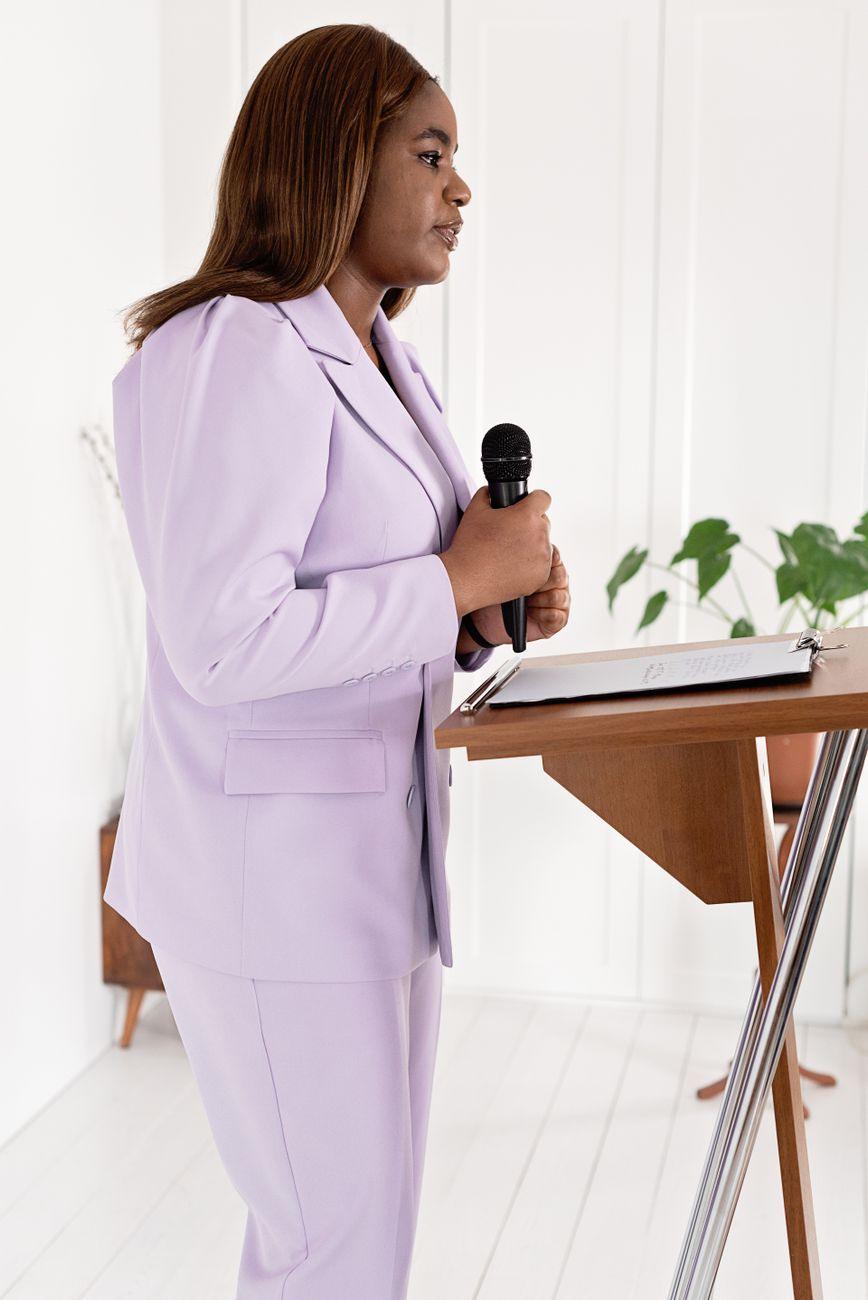
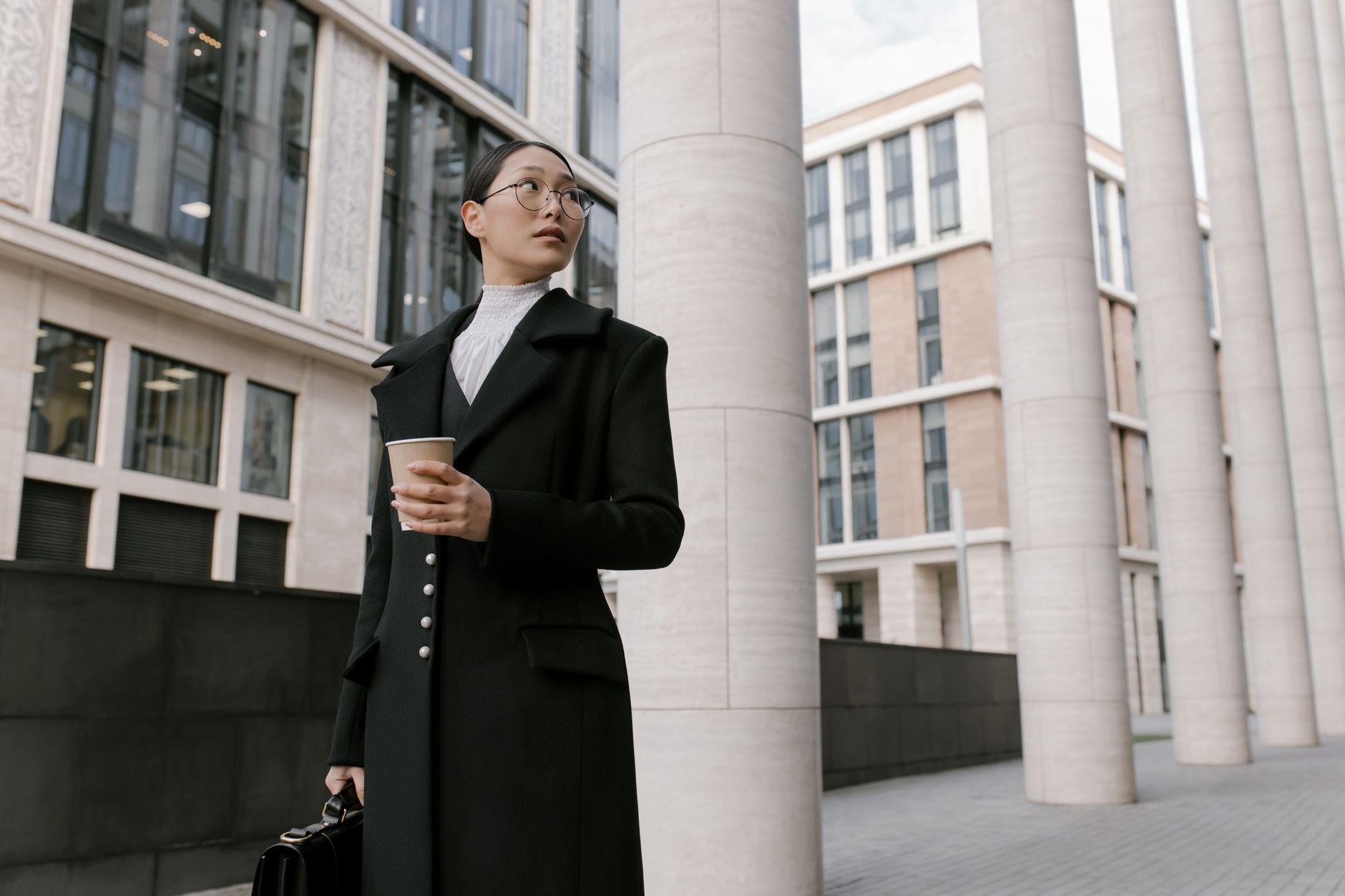
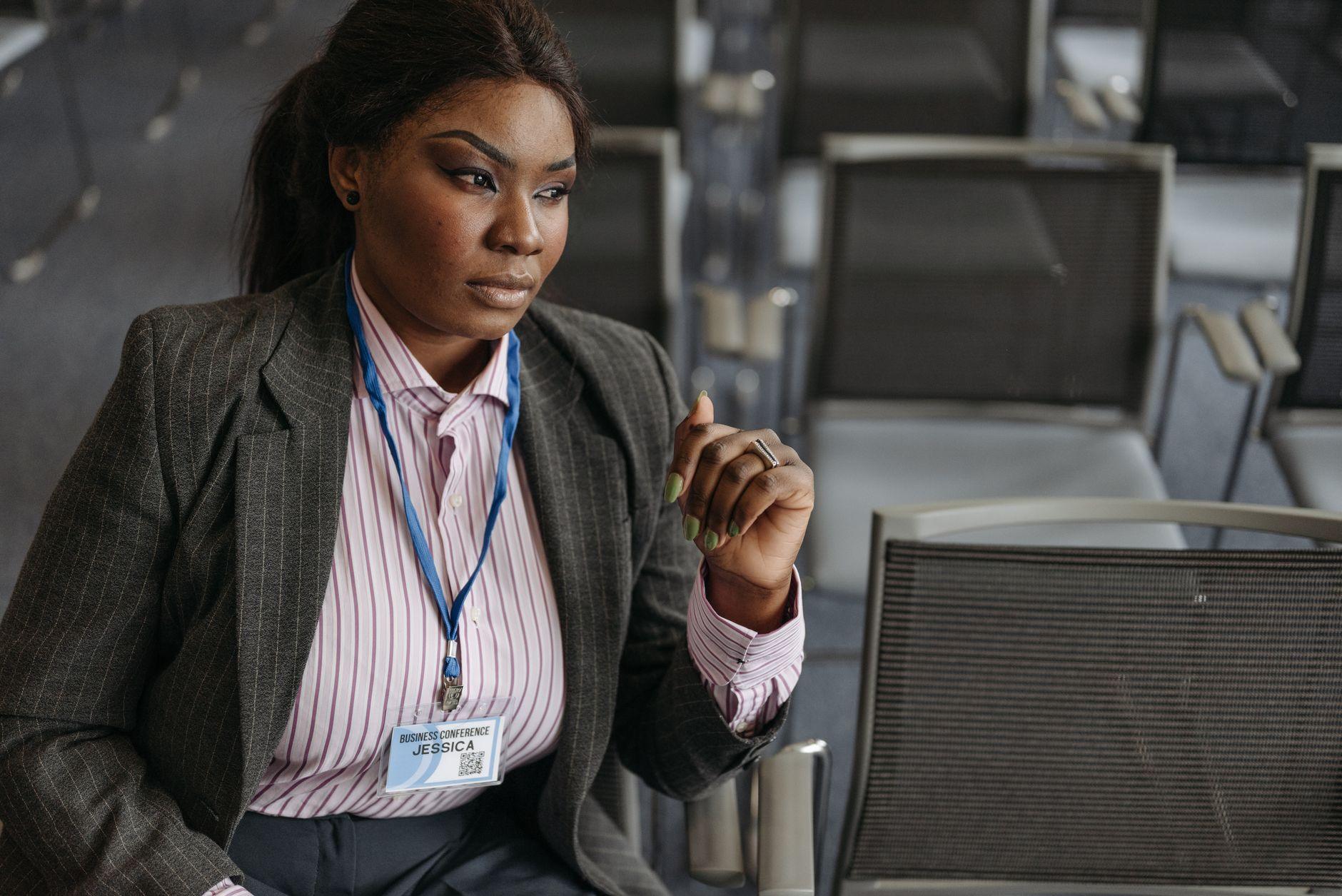
Women have a similar tightrope to walk. A tailored blazer over a professional dress or a blouse and skirt/pants combination works wonders. The key is looking put-together without feeling constricted. Think about fabrics that have a bit of stretch. A midi-length skirt or tailored trousers offer more freedom of movement than a super-tight pencil skirt. And ladies, I cannot stress this enough: comfortable heels or stylish flats are your best friends. I’ve seen women hobbling around in sky-high stilettos, and it’s just painful to watch. Investing in some good quality, supportive footwear can genuinely make or break your experience.
The real downside here is that what’s considered “professional” can vary wildly. What works for a tech startup might be a complete no-go for a financial services firm. You really need to understand your company’s brand guidelines and the audience you’re expecting. Trying to look overly casual when your clients expect formality, or vice versa, can backfire spectacularly. A friend of mine, working for a very traditional accounting firm, once wore a slightly-too-fashionable dress to a convention and got more than a few raised eyebrows from the partners. It’s a minefield, and there’s definitely a learning curve.
Don’t underestimate the power of a good accessory. A quality watch, a tasteful necklace, or a smart-looking briefcase can elevate even a simpler outfit. For men, a nice belt and matching socks show attention to detail. These little touches signal professionalism and thoughtfulness. It’s amazing how much a small detail can communicate about your commitment to your appearance and, by extension, your business.
Here’s a thought: what if we started asking attendees what they found to be the most professional attire at a trade show? The reality is, projecting a professional image is less about rigid rules and more about demonstrating competence and trustworthiness, and sometimes that comes from being comfortable enough to be yourself.