
Projecting Power vs. Inviting Conversation: Decoding Your Wardrobe’s Dual Message
I remember walking into my first real board meeting. I was fresh out of college, trying to project an air of confidence, and I’d spent way too much money on a sharp, dark navy suit. The problem? I looked like I was there to audit them, not to collaborate. It was a stark lesson that how you dress sends a powerful, often subconscious, message. There’s a clear distinction between dressing to command respect and being someone others feel comfortable approaching.
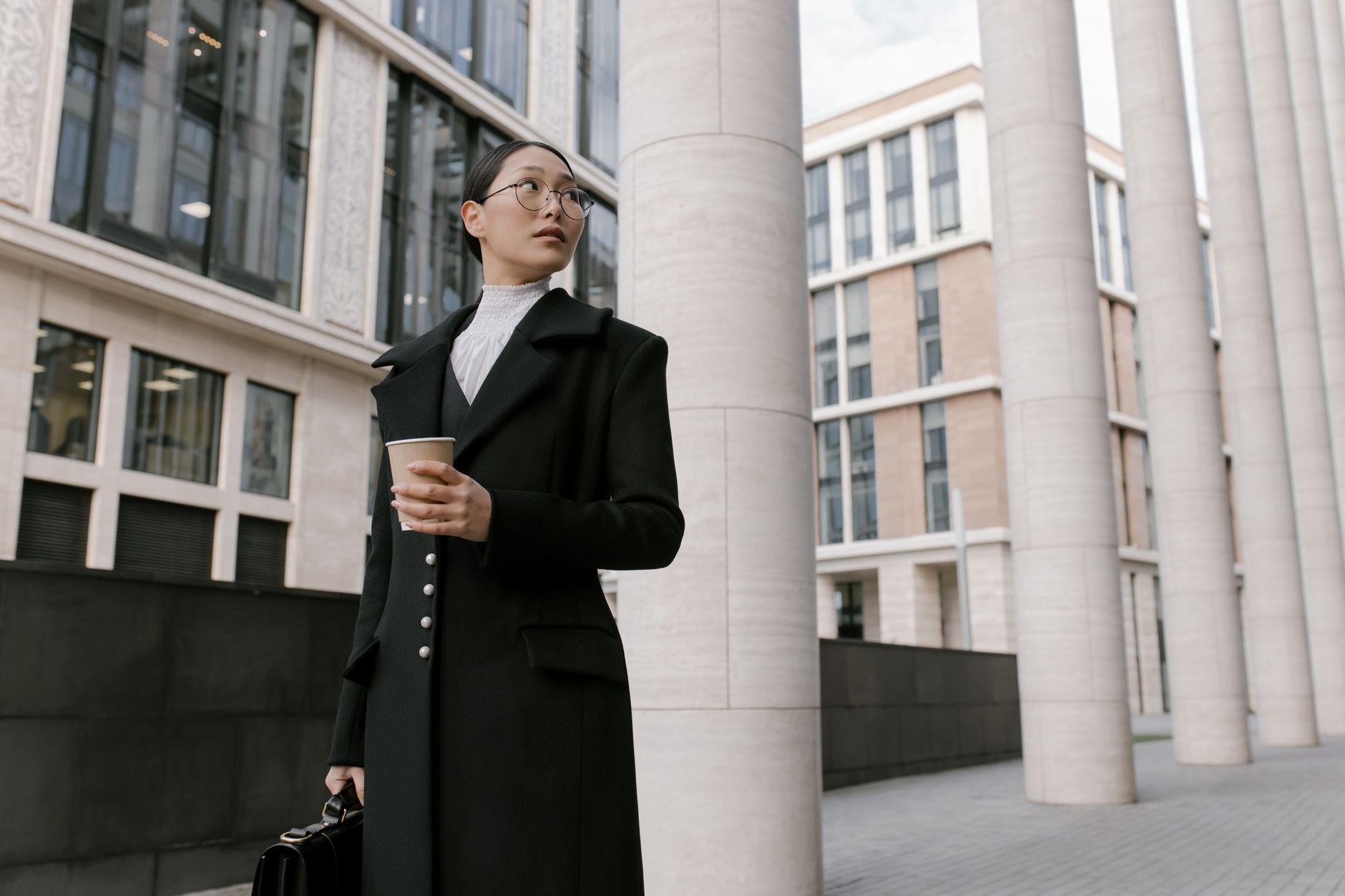
When you’re aiming for authority, you’re talking about projecting power, competence, and seriousness. Think of a top lawyer heading into court or a CEO addressing shareholders. Their attire often emphasizes structure and formality. This means sharp, well-tailored suits, often in darker, more neutral colors like black, charcoal grey, or navy. Clean lines, crisp shirts, and conservative ties are key. The overall effect is one of control and unquestionable professionalism. It’s about minimizing distractions and signaling that you’re there for business, no-nonsense business. It’s not uncommon for these looks to cost several hundred to a few thousand dollars when you factor in quality tailoring and accessories.
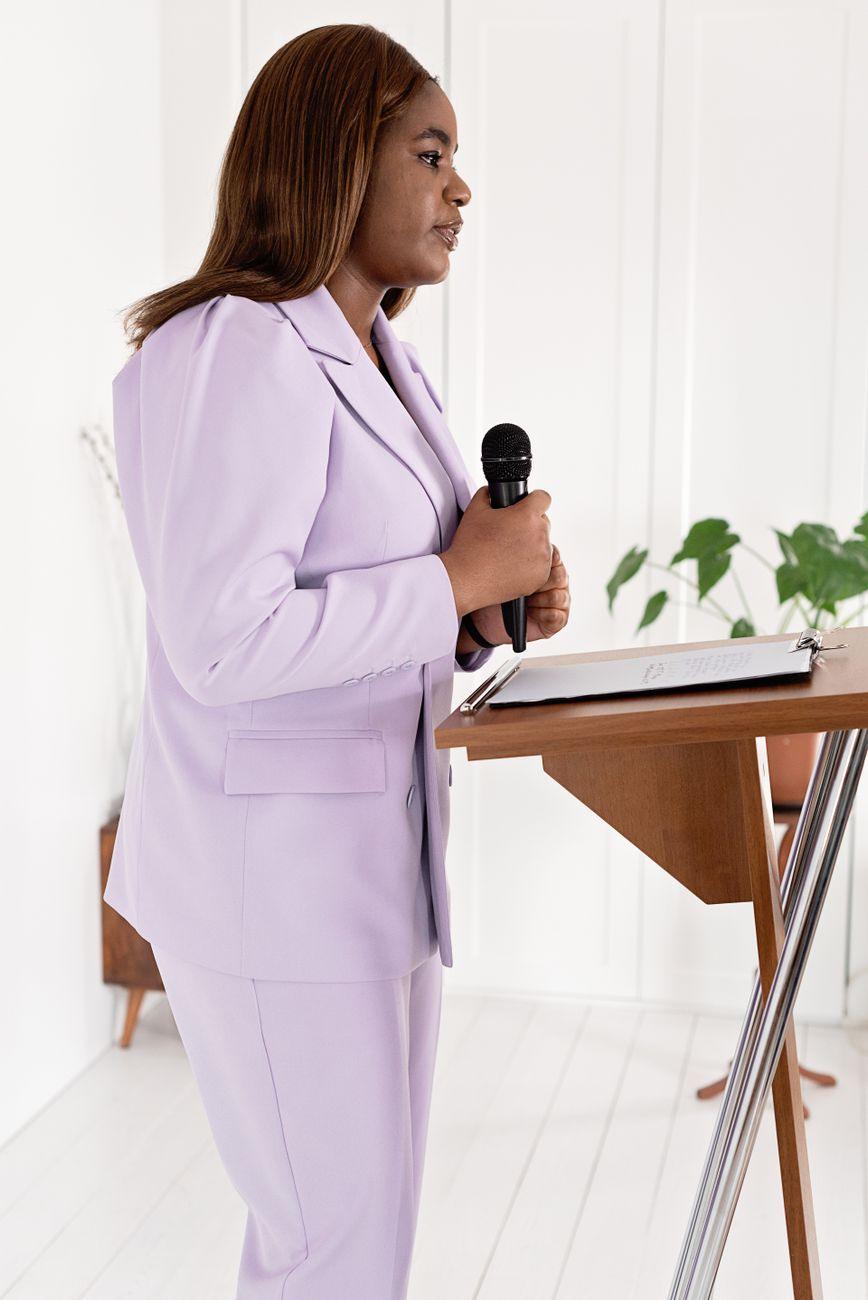
On the flip side, when you want to be approachable, the goal is to signal friendliness, openness, and collaboration. Imagine a kindergarten teacher or a community organizer. Their clothes might be softer, more relaxed, and often in brighter or warmer colors. Think less structured blazers, more comfortable knitwear, or even well-fitting jeans paired with a smart casual shirt. The emphasis shifts from projecting dominance to creating a sense of ease and connection. This doesn’t mean looking sloppy, far from it. It’s about choosing fabrics and styles that invite interaction rather than create a barrier. It’s a vibe that says, “I’m here to listen and work with you.”
Honestly, I’ve found it utterly baffling how many people miss this entirely. They dress for a board meeting when they’re supposed to be leading a team brainstorming session. The overly formal approach can absolutely stifle creativity. People are less likely to share their wild ideas when they feel like they’re in the presence of someone unapproachable or perhaps even judgmental. This isn’t just about perception; studies, like those exploring the psychology of fashion, suggest that our clothing choices can influence our own behavior and how others interact with us. It’s a complex dance.
The real downside to constantly projecting authority is that you can inadvertently alienate people. If you’re always in a power suit, even for casual Friday, you might seem distant. This can hinder team cohesion and make it harder to build genuine rapport with colleagues or clients who aren’t operating at the same level of formality. For example, a senior executive who insists on a formal suit even for internal team meetings might find their junior employees hesitant to approach them with casual questions or concerns, fearing they’ll be perceived as underdressed or disrespectful. This can lead to missed opportunities for feedback and problem-solving.
On the other hand, always aiming for approachability might make you underestimate the importance of projecting gravitas in certain situations. If you’re consistently dressed in very casual attire, even when you need to make a critical decision or negotiate a significant deal, people might not take you as seriously as you’d like. Think about trying to secure a major investment when you show up in a t-shirt and shorts. While comfortable, it doesn’t exactly scream financial acumen or deal-making prowess. It’s a delicate balance, and misjudging the context can be detrimental.
Ultimately, the best strategy is often context-dependent. You need to be able to pivot between these two modes. For instance, when I’m presenting a formal proposal to potential investors, I’ll opt for a tailored suit, projecting credibility and professionalism, drawing from established practices seen in the business world, as often detailed by publications like Forbes. However, when I’m leading a casual workshop for a community group, I’ll switch to something like a comfortable, well-fitting sweater and chinos, aiming to create a welcoming atmosphere. The key is understanding the audience and the objective of the interaction.
My personal frustration comes from seeing people rigidly stuck in one mode. They’ve got their “work uniform” and refuse to deviate, no matter the situation. It’s like showing up to a wedding in your gym clothes. This inflexibility limits your ability to adapt and connect. It takes conscious effort to curate a wardrobe that serves both your need to be taken seriously and your desire to be someone others can easily engage with. It’s not about having two entirely separate closets; it’s about smart styling choices.
Understanding these differences isn’t about chasing trends; it’s about strategic communication. It’s a form of non-verbal communication that can significantly impact how your message is received. The ability to dress for authority might require investing in a few high-quality, classic pieces that signal seriousness, much like how financial advisors often recommend diversifying an investment portfolio. Conversely, dressing for approachability often involves thoughtful choices in fabric, color, and fit that create a sense of warmth and ease, something that doesn’t always require a huge budget but does require a keen eye. You can learn more about the psychology of clothing and its impact on perception from resources like Investopedia’s articles on consumer behavior.
So, the next time you’re getting dressed, ask yourself: Am I trying to command attention, or am I trying to build a bridge? Because your clothes are a lot more powerful than you might think. And sometimes, the most authoritative look you can pull off is simply the one that makes everyone else feel utterly ridiculous.