
Unlocking Your Entrepreneurial Brainpower: Taming the Morning Outfit Chaos
I swear, some mornings I’d rather stare down a tax audit than pick out an outfit for a client meeting. It sounds trivial, right? But for entrepreneurs, especially those just starting out, the sheer volume of decisions we make daily can be utterly draining. We’re talking about product development, marketing strategies, team management, and then, bam, the dreaded wardrobe decision. It’s like this tiny, constant drain on your mental energy. For instance, I once spent a solid 20 minutes staring into my closet before a crucial investor pitch, completely paralyzed. That’s 20 minutes I could have spent refining my elevator pitch or mentally rehearsing my numbers. It’s no wonder we feel burnt out!
This decision fatigue isn’t just a vague feeling; it’s a real psychological phenomenon. Every time you make a choice, you’re depleting a finite resource of self-control. Think about it: you wake up, decide what to eat, what to drink, what to read, what to work on first, and then what to wear. By the time you actually need to put on your “game face” for the business world, your decision-making muscle might be seriously fatigued. A well-planned wardrobe acts like an automatic override for this daily drain. It’s about creating systems so that one of the most visible decisions you make is already handled.
My own personal breakthrough came after I realized I was basically wearing the same five outfits on repeat anyway, just with different levels of panic each morning. It hit me: why not make those five outfits – or ten, or fifteen – the only ones I considered? I started by identifying what actually worked for my business environment. For me, that meant blazers, neutral-colored tops, and well-fitting trousers. I needed to look polished but also feel comfortable enough to move around and present confidently. This wasn’t about fashion trends; it was about functional professionalism.
A key strategy is establishing a capsule wardrobe. This isn’t some mystical concept; it’s simply a curated collection of versatile clothing items that you can easily mix and match. For entrepreneurs, this often means sticking to a limited color palette, typically neutrals like black, white, grey, navy, and beige, with perhaps a few accent colors. It sounds boring, but trust me, it’s a lifesaver. You can create dozens of unique outfits from just a handful of core pieces. Think of a classic white button-down shirt, a black blazer, a pair of dark wash jeans, and a couple of neutral sweaters. Suddenly, you’ve got at least six different looks without breaking a sweat.
Now, the actual criticism here is that this approach can feel incredibly restrictive at first. It requires an upfront investment of time and mental energy to identify your core pieces and purge anything that doesn’t fit the plan. If your brand is highly visual and fashion-forward, a strict capsule wardrobe might actually hinder your ability to express your unique style, potentially making you look generic. For example, a boutique owner who relies on showcasing unique prints and styles might find a minimalist capsule wardrobe counterproductive. It’s a delicate balance, and what works for a consultant might not work for a graphic designer.
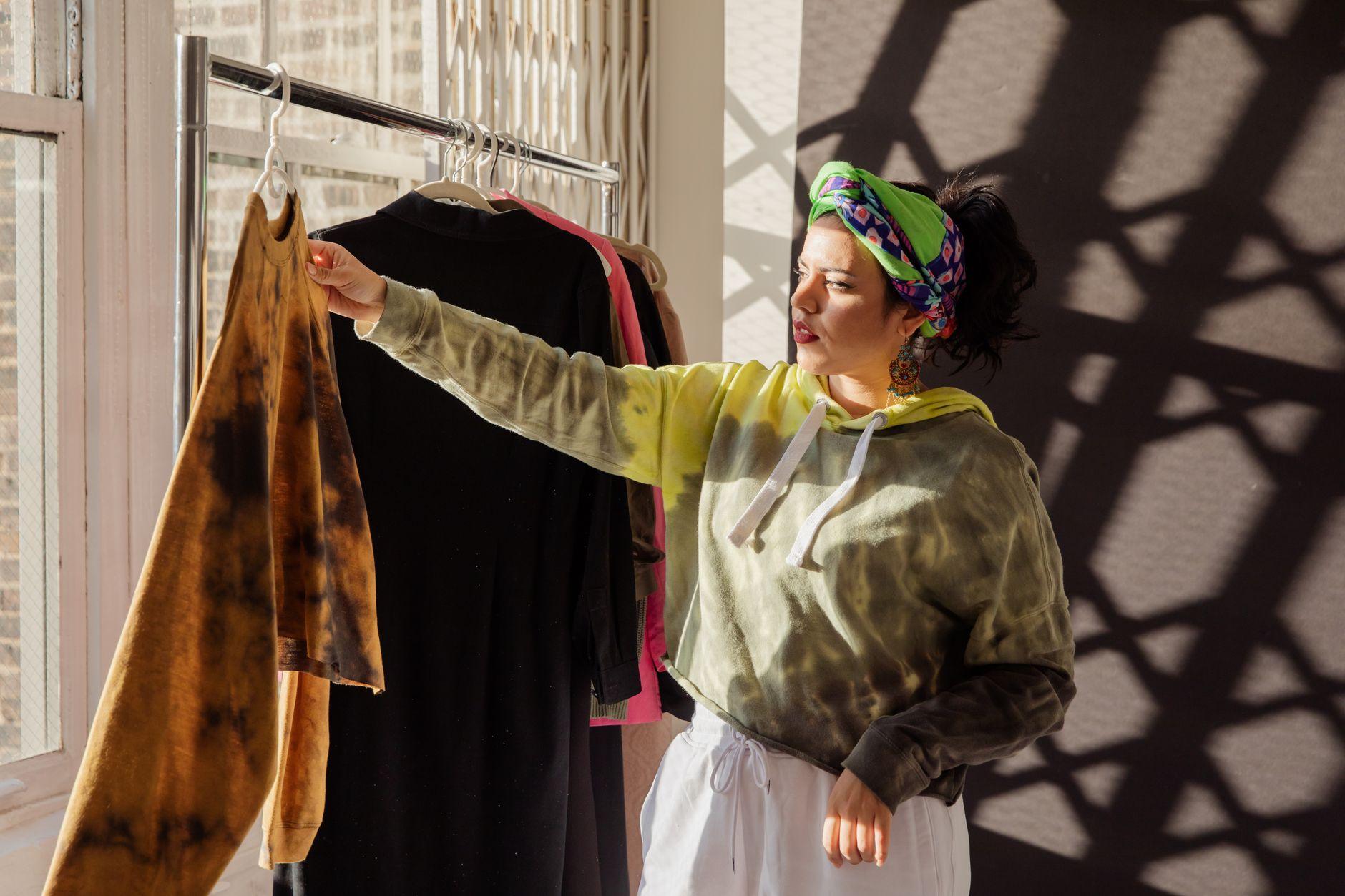
Beyond the capsule concept, outfit planning in advance is another powerful tool. This is where you actually decide what you’re going to wear for the next two or three days, or even a whole week, and hang those outfits together. You can use your closet rod, a designated rack, or even just a hook by your dresser. I’ve seen entrepreneurs use a simple system of numbered hangers to denote different outfit combinations. The goal is to remove the need for spontaneous decision-making when you’re likely still groggy and unfocused. It’s amazing how much mental space opens up when this one daily task is automated.
Honestly, the sheer amount of time saved is staggering. I’d estimate I’ve reclaimed at least 30-45 minutes of valuable thinking time each week just by doing this. That’s time I now dedicate to actual business tasks, like networking or strategic planning. The cost-benefit analysis is so skewed in favor of planning. Even if it takes you an hour on a Sunday to plan your week’s outfits, the cumulative mental energy you save over seven days is easily worth it. You can explore resources on minimalist fashion or capsule wardrobes from reputable sources like Forbes to get a better grasp of the principles.
But here’s the kicker, and it’s something that really surprised me: this doesn’t mean you have to be boring. Once you have your core versatile pieces, you can inject personality through accessories. A bold scarf, a unique pair of earrings, a statement watch, or a brightly colored handbag can completely transform a simple outfit. It’s about having a solid, decision-free foundation that allows your personal style to shine through the details. Think of it as having a blank canvas ready for your creative flair. You can find great advice on building a functional work wardrobe from financial planning sites like NerdWallet.
The alternative, of course, is continuing to wrestle with your closet every morning, burning precious cognitive resources that could be fueling your business growth. It’s a choice between deliberate action and reactive exhaustion. The psychological impact of reducing even one small, recurring decision point is significant. It’s about reclaiming your mental bandwidth. For more on the science of decision fatigue, you can check out resources from places like Investopedia. If you’re truly struggling, maybe just buy three identical outfits.